
The Impact of COVID-19 on the Oruro Carnival
The Oruro Carnival, a vibrant explosion of color, music, and dance nestled high in the Bolivian Andes, is more than just a festival; it’s a living testament to Andean spirituality, indigenous traditions, and colonial influences. Recognized by UNESCO as a Masterpiece of the Oral and Intangible Heritage of Humanity, this grand spectacle typically draws hundreds of thousands of visitors, transforming the city of Oruro into a pulsating hub of festive celebrations. However, like countless cultural events worldwide, the Oruro Carnival found itself facing an unprecedented challenge with the arrival of the COVID-19 pandemic. The immediate and long-term COVID-19 effects have reshaped how this cherished event is experienced, managed, and envisioned, forcing adaptations that ripple through Bolivian culture and the very fabric of the Oruro community.
Overview of Oruro Carnival
To fully grasp the impact of COVID-19 on the Oruro Carnival, it’s essential to understand its profound historical and cultural roots. The carnival’s origins stretch back centuries, intertwining pre-Columbian Andean rituals honoring Pachamama (Mother Earth) and the Uru god Supay (devil) with Catholic traditions introduced during the Spanish colonial era. This syncretism is vividly expressed through its elaborate dances, music, and costumes, each telling a story of myth, resistance, and faith.
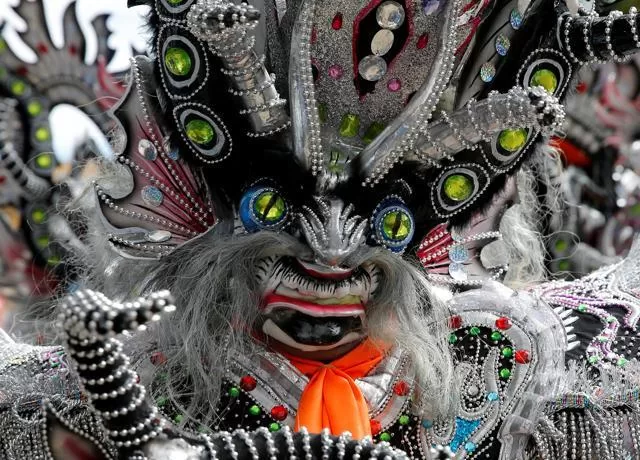
The central figure of the carnival is the Diablada, or Devil Dance, a mesmerizing performance where dancers in intricate devil masks portray the struggle between good and evil. Beyond the Diablada, dozens of other dance groups, known as conjuntos, perform various traditional dances like the Morenada, Caporales, Tobas, and Kullawada, each with its unique history and cultural significance. These performances are not mere entertainment; they are acts of devotion, paying homage to the Virgen del Socavón, the patron saint of miners, whose sanctuary is the ultimate destination of the carnival procession.
The Oruro Carnival is a cornerstone of Bolivian culture, serving as a powerful expression of national identity and a vital mechanism for preserving cultural heritage. It’s a time when families reunite, communities strengthen bonds, and traditions are passed down through generations. Economically, the carnival is a colossal engine for Oruro tourism, generating substantial revenue for the city and surrounding regions. Hotels, restaurants, artisans, street vendors, and transportation services all thrive during the carnival season, making it a critical annual boost for the local economy. Its global recognition also brings international attention, further cementing its status as one of the world’s most significant cultural festivals. The sheer scale and depth of its importance meant that any disruption would have far-reaching consequences, extending beyond mere cancellations to touch the very soul of the Oruro community.
COVID-19: Immediate Effects on the Carnival
The arrival of COVID-19 in early 2020 cast a long shadow over cultural events globally, and the Oruro Carnival was no exception. The 2020 carnival, held just weeks before the global lockdowns, was one of the last major festive celebrations to take place without significant restrictions. However, the rapidly unfolding pandemic quickly forced a reevaluation of all public gatherings.
The most immediate and drastic effect was the outright cancellation of the traditional Oruro Carnival in 2021. This decision, though heartbreaking for many, was deemed necessary to protect public health amidst rising infection rates and the lack of widespread vaccination. The vibrant streets of Oruro, usually teeming with dancers, musicians, and spectators, remained eerily quiet. This unprecedented halt to carnival traditions sent shockwaves through the Oruro community and beyond, marking a somber moment in the festival’s long history. Travel restrictions, both national and international, played a significant role in this decision, making large-scale carnival participation impossible and unsafe.
The absence of the physical carnival meant the loss of a crucial annual ritual, a spiritual and communal anchor for many Bolivians. The traditional processions, the elaborate costumes, the shared joy, and the collective devotion were all put on hold. This created a void, not just in the cultural calendar, but in the hearts of those who live and breathe the carnival spirit. It underscored the vulnerability of even the most deeply entrenched cultural events to global health crises.
Health and Safety Measures Implemented
As the world grappled with the ongoing pandemic, the prospect of future carnivals necessitated a complete overhaul of planning and execution, with health protocols becoming paramount. For events like the Oruro Carnival 2023, organizers and local authorities worked tirelessly to develop and implement stringent carnival safety measures designed to mitigate the spread of the virus.
Key health guidelines included mandatory mask-wearing for all participants and spectators, social distancing protocols, and increased sanitation efforts. Entrances to viewing areas and the procession route were often controlled, with capacity limits enforced to prevent overcrowding. For performers, rehearsals were modified to reduce close contact, and costumes were adapted to allow for masks or greater personal space.
Perhaps the most significant measure introduced for the return of the carnival was the requirement of vaccination certificates. Participants, including dancers, musicians, and support staff, were often required to show proof of full vaccination. Spectators, particularly those in designated seating areas, also faced similar requirements. Testing stations were sometimes made available, and rapid antigen tests were encouraged for those experiencing symptoms. These measures aimed to create a safer environment, allowing some semblance of carnival participation to resume while prioritizing public health. The goal was to strike a delicate balance between preserving cherished traditions and safeguarding the well-being of the Oruro community and its visitors. The logistical challenges of implementing such protocols for an event of this magnitude were immense, requiring extensive coordination between government agencies, cultural associations, and health authorities.
Economic Impact on Local Businesses
The cancellation and subsequent modifications of the Oruro Carnival had a devastating economic impact on local businesses in Oruro. The carnival is not merely a cultural spectacle; it’s a powerful economic engine, injecting millions of dollars into the local economy each year. Its absence created a ripple effect that touched nearly every sector.
Hotels, guesthouses, and homestays, which typically operate at full capacity during the carnival period, faced massive booking cancellations and significant financial losses. Restaurants, bars, and food vendors, usually bustling with activity, saw their expected revenue streams dry up. Many small businesses, particularly those reliant on the surge of Oruro tourism, struggled to stay afloat, leading to layoffs and even closures.
The impact was particularly severe for local artists and artisans. Costume makers, mask crafters, musicians, and choreographers, who dedicate months to preparing for the carnival, lost their primary source of income. These individuals, often working in specialized traditional crafts, saw their livelihoods disappear overnight. The intricate costumes, made from various materials, represent not just artistic expression but also significant financial investment, much of which was lost when events were canceled. The entire supply chain, from fabric suppliers to musical instrument makers, felt the pinch.
Transportation services, from long-distance buses bringing visitors to local taxis navigating the city, also experienced a drastic reduction in demand. The informal sector, including street vendors selling food, drinks, and souvenirs, which forms a vital part of the Oruro community’s economy, was hit especially hard. Without the influx of tourists and carnival-goers, these individuals had no market for their goods and services.
The absence of the carnival exacerbated existing economic vulnerabilities, highlighting the deep interdependence between cultural events and local economies. The path to economic recovery for Oruro, post-pandemic, has been long and arduous, with many businesses struggling to regain their footing even as the carnival slowly returns. The COVID-19 tourism impact severely hampered the region’s ability to bounce back quickly, leading to a period of unprecedented financial strain for thousands of families.
Cultural Significance of the Carnival Post-COVID-19
Despite the profound disruptions, the COVID-19 pandemic inadvertently shone a brighter light on the enduring cultural significance of the Oruro Carnival. Far from diminishing its importance, the challenges faced underscored its irreplaceable role in Bolivia culture and the collective spirit of the Oruro community. The carnival is not just a performance; it is a sacred practice, a communal ritual that reaffirms identity, faith, and belonging.
In the wake of cancellations and restrictions, the longing for the carnival became palpable. Its absence highlighted how deeply intertwined the Oruro traditions are with daily life, providing a sense of continuity, historical connection, and spiritual renewal. For many, the carnival offers a vital outlet for expression, a time to shed the mundane and embrace the mystical. Post-pandemic, the return of even modified celebrations has taken on an even greater emotional weight, serving as a powerful symbol of resilience and hope during pandemic recovery.
The carnival’s role in community bonding became even more critical in an era of isolation. As people navigated lockdowns and social distancing, the shared anticipation and eventual, albeit limited, celebration of the Oruro Carnival offered a much-needed opportunity for collective joy and solidarity. It became a focal point for reaffirming cultural heritage and demonstrating the strength of the human spirit in the face of adversity. The determination to bring back the carnival, even with significant adaptations, speaks volumes about its profound cultural and spiritual importance to the people of Oruro and Bolivia as a whole. It reminds everyone that these cultural festivals are not just events; they are lifeblood.
Resilience of Cultural Traditions
The pandemic, while disruptive, also showcased the remarkable resilience of cultural traditions and the ingenuity of the Oruro community in adapting to extraordinary circumstances. When large-scale gatherings were impossible, the spirit of the Oruro Carnival found alternative avenues for expression.
Many dance groups and individual artists engaged in smaller, localized events, often within their neighborhoods or family units, keeping the flame of carnival traditions alive. These micro-celebrations, though lacking the grandeur of the main procession, ensured that the music, dance, and spiritual essence continued. Local artists, unable to perform on the grand stage, turned to digital platforms, sharing videos of their performances, costume designs, and musical pieces, allowing for a form of virtual carnival participation.
The commitment to preserving the cultural heritage was unwavering. Community leaders, cultural associations, and local artists collaborated to find innovative solutions. There were online workshops to teach traditional dances and instrument playing, ensuring that knowledge transfer continued even without physical gatherings. Documentaries and archival footage of past carnivals were shared widely, serving as a reminder of the festival’s splendor and a source of inspiration during the hiatus.
When a modified carnival, like the Oruro Carnival 2023, eventually returned, it did so with a renewed sense of purpose and a deeper appreciation for the ability to celebrate. The carnival adaptations included shorter routes, staggered performances, and increased security to manage crowds, but the core essence remained. This demonstrated that while the form might change, the spirit of Oruro traditions and the dedication to festive celebrations are indomitable. The pandemic, in a strange way, reinforced the importance of these local festivals, compelling communities to find creative ways to ensure their continuity. This resilience is a testament to the deep-seated value of these cultural festivals in the lives of the people.
Future of Oruro Carnival in a Post-Pandemic World
The experience of COVID-19 has undoubtedly left an indelible mark on the Oruro Carnival, prompting a reevaluation of how such massive cultural events are organized and experienced. While the immediate crisis may have passed, its lessons will likely shape the future of Oruro Carnival in a post-pandemic world for years to come.
One significant change is the likely persistence of enhanced health protocols. While the intensity might decrease, a heightened awareness of public health and safety will probably remain. This could mean a continued emphasis on hygiene, readily available hand sanitizing stations, and potentially even the encouragement of mask-wearing in crowded areas, especially during peak festive celebrations. Organizers may also implement more sophisticated crowd management strategies, using technology to monitor density and guide the flow of people, ensuring carnival safety measures are always considered.
The pandemic also highlighted the need for greater flexibility and contingency planning. Future carnival committees will likely develop robust plans for various scenarios, including potential outbreaks or new health advisories. This could involve modular event planning, where certain elements can be scaled up or down quickly, and clear communication strategies to inform the Oruro community and potential visitors about any changes.
The focus on Oruro tourism will also evolve. There might be a greater emphasis on sustainable tourism practices, balancing the economic benefits with the need to protect the local environment and cultural integrity. Promoting longer stays, engaging with local businesses beyond the carnival period, and diversifying tourism offerings could become priorities. The experience of forced cancellations has underscored the vulnerability of relying solely on one major annual event, encouraging a broader vision for Oruro’s economic recovery and cultural promotion. The future will likely see a blend of traditional grandeur and modern adaptations, ensuring that the Oruro celebrations continue to thrive while being prepared for unforeseen challenges.
Potential for Virtual Participation
One of the most significant and lasting legacies of the pandemic for cultural events like the Oruro Carnival is the accelerated adoption of virtual participation. When physical gatherings were impossible, digital platforms became the lifeline for maintaining connection and sharing cultural heritage. This trend is likely to continue and expand, even as in-person events fully resume.
The potential for virtual events related to the carnival is vast. Live streaming of the main procession, key dance performances, and religious ceremonies could become a standard offering, allowing a global audience to experience the Oruro Carnival without the need for physical travel. This would not only overcome travel restrictions but also make the carnival accessible to those who cannot attend due to age, disability, or financial constraints.
Beyond passive viewing, there’s scope for interactive virtual engagement. Online workshops could teach traditional dances, music, or costume-making, allowing local artists to share their skills with a broader audience and generate additional income. Virtual reality (VR) or augmented reality (AR) experiences could offer immersive tours of the carnival route, the Virgen del Socavón sanctuary, or even historical recreations of past carnivals, providing a deeper understanding of Oruro history and Bolivia culture.
This blend of physical and virtual carnival participation could create a hybrid model, enriching the overall experience. It allows for a broader reach, enhancing the global profile of the Oruro Carnival and fostering a more inclusive form of cultural exchange. For the Oruro community, it represents an opportunity to monetize content, promote local artists, and ensure that the spirit of the carnival can transcend geographical boundaries, even if a new pandemic or travel restriction were to emerge. Virtual platforms offer a robust pathway for the continuous celebration of Oruro traditions, ensuring that the carnival’s magic can be shared with anyone, anywhere.
Conclusion
The COVID-19 pandemic presented an unprecedented challenge to the Oruro Carnival, a cultural event deeply ingrained in Bolivian culture and the heart of the Oruro community. From the immediate cancellations and the implementation of stringent health protocols to the devastating economic impact on local businesses, the virus forced a period of profound disruption and introspection. The festive celebrations that once defined a specific time of year were put on hold, leaving a void felt deeply by many.
However, the story of COVID-19 and Oruro Carnival is not solely one of loss; it is also a powerful testament to resilience and adaptation. The unwavering commitment to cultural heritage, the ingenuity of local artists, and the deep-seated desire to preserve Oruro traditions ensured that the carnival’s spirit found new avenues for expression, even in scaled-down or virtual forms. The return of events like the Oruro Carnival 2023, albeit with necessary modifications and carnival safety measures, signaled a hopeful path towards pandemic recovery and a reaffirmation of the festival’s enduring significance.
Looking ahead, the Oruro Carnival will undoubtedly emerge from this period transformed. The lessons learned about health protocols, economic diversification, and the potential of virtual events will shape its future, fostering a more adaptable and inclusive celebration. While the grandeur of its physical manifestation remains paramount, the integration of virtual participation offers exciting possibilities for expanding its global reach and ensuring its continuity. The Oruro Carnival stands as a vibrant symbol of community resilience, a beacon of cultural pride, and a dynamic example of how even the most ancient traditions can adapt and thrive in an ever-changing world, continuing to captivate hearts and minds for generations to come.
Downloaded the 667betapp the other day. Gameplay is smooth and the app is really well designed and I am enjoying it. Definitely recommend giving it a shot to give your review! Get it at 667betapp
Casimocaliente, hot stuff! Hope this site heats things up with some wins! Let’s get spicy! Check out casimocaliente and see what it’s all about!
Phokebet, I like the sound of that! Gonna put my bets in and see what happens. C’mon payday! Check it out at phokebet!