
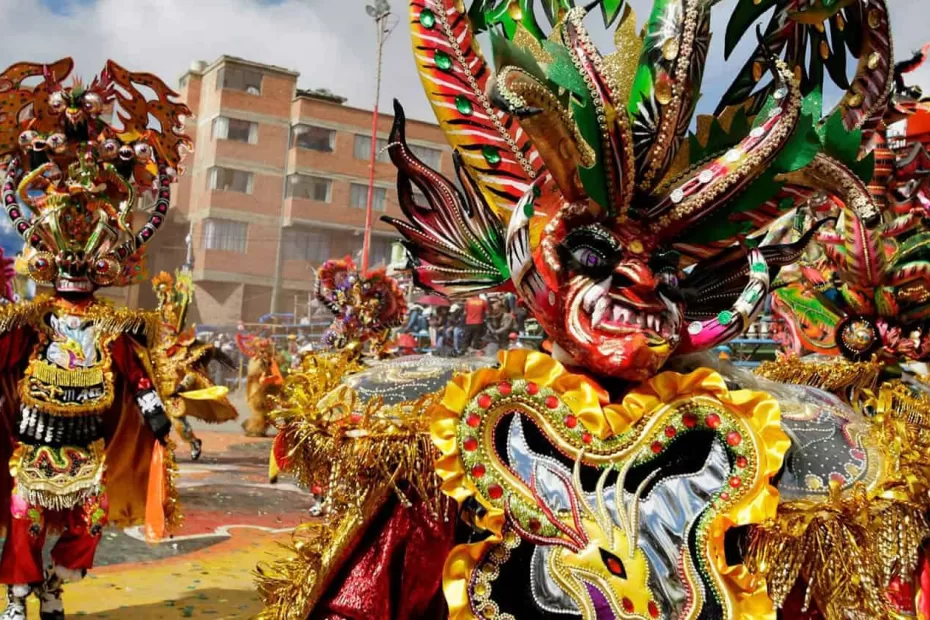
The Ultimate Guide to Oruro Carnival
Imagine a spectacle so vibrant, so steeped in history and spiritual significance, that UNESCO has declared it a Masterpiece of the Oral and Intangible Heritage of Humanity. Welcome to the Oruro Carnival, a breathtaking celebration held high in the Bolivian Andes. This isn’t just any festival; it’s a profound cultural experience, an explosion of color, music, and dance that draws visitors from across the globe. If you’re planning a trip to South America and seeking an unforgettable adventure travel Bolivia offers, experiencing Bolivian culture at its finest, then this comprehensive travel guide Oruro Carnival is your essential companion. We’ll dive deep into everything you need to know, from the pulsating rhythms of the parades to the practicalities of travel, ensuring your visit to this incredible cultural festival in Bolivia is nothing short of magical.
What is the Oruro Carnival?
At its heart, the Oruro Carnival is a dynamic fusion of indigenous Andean traditions and Catholic rituals, centered around the veneration of the Virgen del Socavón (Virgin of the Mines). For centuries, miners in Oruro sought protection from the Supay (devil-like figure) and offered devotion to the Pachamama (Mother Earth). With the arrival of Spanish colonizers, these ancient beliefs gradually intertwined with Catholic practices, giving birth to the unique syncretic festival we know today.
This carnival is far more than just a party; it’s a profound expression of Bolivia culture, a narrative told through dance, music, and elaborate costumes. It’s a theatrical representation of good versus evil, with the Archangel Michael triumphing over the seven deadly sins, embodied by various demonic figures. The sheer scale and spiritual depth of the events make it one of the most significant festivals in South America and a cornerstone of Oruro tourism. Every year, thousands of Oruro Carnival dancers and musicians dedicate months to perfecting their performances, showcasing the rich tapestry of Oruro local traditions. It’s an immersive cultural experience Bolivia offers, unlike any other.
History of the Oruro Carnival
The roots of the Oruro Carnival history stretch back centuries, long before the Spanish conquest. Indigenous Uru people, who inhabited the region, celebrated Anata or Phujllay, a harvest festival dedicated to Pachamama and the Tío Supay (Uncle Devil), a protector of the mines who also demanded respect and offerings. When the Spanish arrived in the 17th century, they established the city of Oruro as a major silver mining center. With them came Catholic missionaries who, in an effort to convert the indigenous population, often superimposed Christian figures and narratives onto existing local deities and celebrations.
The legend of the Virgen del Socavón is central to this historical evolution. It’s said that the Virgin Mary appeared to a thief named Anselmo Belarmino (or “Chiru Chiru”) in the mine, saving his life and eventually leading to his repentance. A shrine was built in her honor, becoming the focal point of the miners’ devotion. Over time, the indigenous rituals honoring Supay and Pachamama merged with the veneration of the Virgin, transforming the ancient Anata into the elaborate carnival we see today.
By the 18th century, the carnival began to take a more structured form, incorporating elements of Spanish colonial pageantry alongside the indigenous dances. The Diablada, or Dance of the Devils, emerged as the most iconic representation, with its elaborate masks and costumes symbolizing the struggle between good and evil. Throughout the 19th and 20th centuries, the carnival continued to grow, absorbing new dance forms and musical styles from various regions of Bolivia, each adding another layer to its vibrant complexity. In 2001, UNESCO recognized its immense cultural value, cementing its status as a global treasure. Understanding this rich tapestry of Oruro Carnival history truly enriches the experience of watching the parades and performances.
When to Visit Oruro Carnival
The Oruro Carnival is typically held over a week, culminating on the Saturday before Ash Wednesday, which marks the beginning of Lent. This means the exact dates vary each year, but it generally falls in February or early March. For instance, if you’re planning for Oruro Carnival 2024, the main events usually take place around the second weekend of February. It’s crucial to check the specific Oruro Carnival schedule for the year you plan to visit, as these dates are fixed annually.
To truly immerse yourself in the festivities, the best time to visit Oruro is from Thursday evening through Sunday morning of the carnival week. The main event, the Peregrinación al Socavón (Pilgrimage to the Shrine), happens on the Saturday. This is when the grand parade of dancers and musicians takes place, starting early in the morning and continuing well into the night. Friday often sees smaller parades and preparations, while Sunday features more informal celebrations and the “farewell” dances.
Arriving a day or two before the main Saturday parade is highly recommended. This allows you time to acclimatize to Oruro’s high altitude (about 3,700 meters or 12,140 feet), secure your viewing spot or grandstand seat, and soak in the pre-carnival atmosphere. Many Oruro Carnival events, including smaller cultural performances and local parties, kick off earlier in the week. By coming early, you can also explore Oruro attractions before the biggest crowds descend, making your Oruro travel guide experience smoother.
Top Attractions During the Carnival
The Oruro Carnival is a non-stop feast for the senses, with an array of must-see events and activities that will leave you spellbound. From the grand processions to intimate cultural displays, there’s something to captivate every traveler.
Parade of Dancers and Musicians
The absolute highlight of the Oruro Carnival is undoubtedly the main parade, known as the Entrada or Peregrinación al Socavón, which takes place on the Saturday. This isn’t just a parade; it’s a sacred pilgrimage, a spiritual journey undertaken by tens of thousands of Oruro Carnival dancers and musicians. Starting at dawn and often continuing for 20 hours or more, over 50 dance groups, accompanied by hundreds of marching bands, make their way along a four-kilometer route through the city streets, culminating at the Sanctuary of the Virgen del Socavón.
Each dance group represents a specific tradition and wears intricate, often incredibly heavy, carnival costumes. You’ll witness the terrifying yet magnificent Diablada, with its elaborate devil masks and powerful choreography, symbolizing the struggle between good and evil. The elegant Morenada dancers, with their heavy silver masks and distinctive shuffling steps, represent African slaves brought to the mines. Other prominent dances include the energetic Caporales, the graceful Tobas, the colorful Kullawada, and the traditional Llamerada, each telling its own story through movement and music. The sheer dedication and passion of the participants are palpable, creating an electrifying atmosphere that is both deeply spiritual and exhilaratingly festive. Securing a grandstand seat along the route is highly recommended for the best viewing experience, especially if you plan on travel photography Oruro’s vibrant spectacle.
Cultural Performances and Shows
While the Saturday parade is the main draw, the Oruro Carnival is rich with other cultural performances and shows throughout the week. Leading up to the main event, you can often find smaller parades and convites (rehearsals) where groups practice their routines in the streets. These offer a more intimate glimpse into the dedication and artistry involved.
On Friday, many groups perform a “Viernes de Compadres y Comadres,” a day of friendship and camaraderie, often with smaller, more localized celebrations. After the main parade on Sunday, the celebrations continue with the “Día del Diablo y del Moreno,” where many dancers perform more informally, often engaging directly with the crowd. This is a fantastic opportunity for interaction and to experience the joy and relief of the dancers after their arduous pilgrimage.
Throughout the carnival period, various cultural centers and plazas in Oruro host traditional Bolivian food fairs, craft markets, and musical performances. You might stumble upon a peña, a traditional folk music venue, where local musicians play Andean instruments like the zampoña and charango. These events provide a deeper appreciation for Bolivia culture beyond the main parade, offering a chance to see different aspects of Oruro local traditions and the diverse expressions of cultural experiences Bolivia has to offer. Keep an eye out for local announcements and ask around for the Oruro Carnival schedule of these secondary events.
How to Get to Oruro
Getting to Oruro requires a bit of planning, especially during carnival season when transportation and accommodation can be in high demand. Oruro does have a small airport (Juan Mendoza Airport – ORU), but it primarily serves domestic flights, and direct international flights are rare. Most international travelers arriving for their Oruro travel guide experience will first fly into La Paz’s El Alto International Airport (LPB) or Santa Cruz’s Viru Viru International Airport (VVI).
From La Paz, Oruro is relatively accessible. The most common and recommended way to travel is by bus. Buses depart frequently from La Paz’s main bus terminal, and the journey takes approximately 3-4 hours, depending on traffic and road conditions. Several reputable bus companies operate this route, offering comfortable, sometimes even “cama” (sleeper) or “semi-cama” (semi-sleeper) services. It’s advisable to book your bus tickets in advance, especially during the carnival week, as they sell out quickly. You can also take a train from El Alto (near La Paz) to Oruro, which offers a scenic, albeit slower, alternative. However, train services are less frequent.
If you’re coming from Santa Cruz, the journey is longer, typically 10-12 hours by bus. There are also domestic flights from Santa Cruz to Oruro, which can save a lot of time. Again, booking well in advance is crucial. Private transfers or shared taxis (known as trufis) are also an option, particularly from La Paz, offering a bit more flexibility but at a higher cost. For those seeking adventure travel Bolivia experiences, consider combining your Oruro trip with visits to other incredible sites like Lake Titicaca or the Uyuni Salt Flats, making Oruro a convenient stop on a larger Bolivia travel tips itinerary. Always ensure your local transport is from a reputable provider, especially when traveling to Bolivia during peak festival times.
Where to Stay in Oruro
Finding suitable Oruro accommodations during the carnival can be a challenge, as hotels and hostels book up months in advance and prices often skyrocket. It’s not uncommon for every bed in the city to be reserved, so early booking is absolutely non-negotiable for your travel guide Oruro Carnival.
Oruro offers a range of options, from basic hostels to more comfortable hotels, though luxury options are limited compared to larger cities.
-
Budget-Friendly: Hostels and alojamientos (basic guesthouses) are available, often providing shared rooms or simple private rooms. While they might lack amenities, they are often centrally located and can be great for meeting other travelers. Expect prices to be significantly higher than usual during carnival. Look for places slightly off the main parade route if you want a quieter experience, though “quiet” is a relative term during the carnival.
-
Mid-Range: Several hotels offer private rooms with en-suite bathrooms, heating (essential in Oruro’s chilly nights), and sometimes breakfast. These are often the most popular choice for tourists seeking a balance of comfort and value. Many are located within walking distance of the main square and the carnival route.
-
Higher End: While not truly “luxury” by international standards, a few hotels in Oruro offer more amenities, better service, and larger rooms. These will be the most expensive options during carnival but can provide a welcome respite from the crowds and noise.
Many locals also rent out rooms or apartments during the carnival, which can be a good option for groups or those looking for a more authentic experience. Websites like Airbnb or local Bolivian travel agencies can help you find these. Be sure to verify the location and amenities before booking. When considering Oruro accommodations, always check if they are near the parade route or if you’ll need transport. Given the sheer number of people, getting around during the main parade day can be very difficult, so proximity is a major plus. Remember, for Oruro tourism, early planning for lodging is key to a stress-free trip.
Local Cuisine to Try at the Carnival
No travel guide Oruro Carnival would be complete without a deep dive into the delectable world of traditional Bolivian food. The carnival is not just a feast for the eyes and ears, but also for the palate. Street food stalls and local restaurants come alive, offering hearty, flavorful dishes that are perfect for fueling your carnival adventures.
Here are some must-try local cuisine options:
-
Anticuchos: Skewers of marinated beef heart, grilled to perfection and often served with a potato and a spicy peanut sauce. Don’t let the “heart” part deter you; they are incredibly tender and flavorful.
-
Salteñas: These savory baked empanadas are a Bolivian staple, especially popular for breakfast or a mid-morning snack. They’re filled with a juicy stew of meat (beef or chicken), potatoes, peas, and sometimes olives or hard-boiled eggs. The slightly sweet, slightly spicy filling is unique and utterly delicious.
-
Fricasé: A rich, spicy pork stew served with chuño (freeze-dried potatoes), white potatoes, and hominy. It’s often considered a hangover cure and is particularly popular for late-night or early-morning carnival revelers.
-
Pique Macho: A generous platter piled high with bite-sized pieces of beef, sausage, fries, onions, and peppers, all smothered in a savory sauce. It’s meant to be shared (or tackled by one very hungry person!) and is a true celebration of flavors.
-
Api con Buñuelos: A classic Bolivian breakfast or snack, especially comforting on a chilly Oruro morning. Api is a warm, sweet, and thick purple corn drink, often spiced with cinnamon and cloves. It’s typically served with buñuelos, light and fluffy fried dough fritters, sometimes drizzled with honey.
-
Tucumanas: Similar to salteñas but usually fried and with a slightly different filling, often containing more vegetables and a spicier kick.
-
Choripán: A simple yet satisfying grilled chorizo sausage served in a bread roll, often with a tangy llajwa (spicy salsa).
-
Refreshments: Beyond Api, you’ll find plenty of fresh fruit juices, chicha (a traditional fermented corn drink, often consumed in large quantities during festivals), and of course, local Bolivian beers.
Don’t be afraid to try street food, but always choose stalls that appear clean and have a high turnover of customers. Experiencing these flavors is an integral part of experiencing Bolivian culture at the Oruro Carnival.
Tips for Enjoying the Carnival
Attending the Oruro Carnival is an incredible adventure, but it requires some preparation to ensure you have the best possible experience. Here are some essential Oruro Carnival travel tips and practical advice:
-
Book Everything in Advance: This cannot be stressed enough. Flights, buses, and Oruro accommodations sell out months ahead of time, and prices skyrocket. Book your grandstand seats for the main parade equally early. This is crucial for smooth Oruro travel advice.
-
Acclimatize to Altitude: Oruro is at over 3,700 meters (12,140 feet) above sea level. Arrive a day or two early, drink plenty of water (coca tea helps), avoid alcohol initially, and take it easy. Altitude sickness can significantly impact your enjoyment.
-
Dress in Layers: Oruro’s weather can be unpredictable. Days can be sunny and warm, but nights are often chilly, and rain showers are common. Pack layers, including a warm jacket, hat, gloves, and a waterproof outer layer. Comfortable walking shoes are a must.
-
Stay Hydrated and Eat Well: With all the excitement, it’s easy to forget to eat and drink. Carry water bottles and snack bars. Try the local traditional Bolivian food, but be mindful of your stomach.
-
Secure Your Spot: For the main Saturday parade, grandstand seats are highly recommended. While you can stand along the route, visibility will be poor, and it gets incredibly crowded. Grandstand seats offer comfort, a better view, and some protection from the elements.
-
Protect Your Valuables: Like any major festival, pickpocketing can be an issue. Keep your money, phone, and passport in a secure, hidden pouch or money belt. Be aware of your surroundings, especially in crowded areas. This is a general Bolivia travel tips recommendation.
-
Respect Local Customs: The carnival is a deeply spiritual event for the participants. Be respectful of the dancers, musicians, and local traditions. Ask permission before taking close-up photos of individuals, especially children.
-
Beware of Water and Foam Fights: Especially on Sunday and Monday of carnival, locals engage in playful (and sometimes not so playful) water balloon, water gun, and foam spray fights. If you don’t want to get soaked, avoid crowded areas or join in with protective gear!
-
Stay Connected: Consider getting a local SIM card for your phone for easier navigation and communication.
-
Learn Basic Spanish: While many people in the tourism sector may speak some English, knowing basic Spanish phrases will greatly enhance your experience and help you navigate Oruro local traditions.
-
Capture Memories Responsibly: Travel photography Oruro’s vibrant scenes is a must, but be mindful of privacy and safety. Don’t block the parade route or intrude on performers.
-
Pace Yourself: The carnival is a marathon, not a sprint. The main parade is long, and there are celebrations throughout the week. Don’t try to do everything at once. Build a flexible Oruro travel itinerary.
-
Emergency Contacts: Have local emergency numbers handy (police, ambulance) and know the location of the nearest police station or medical clinic.
By following these Oruro Carnival travel tips, you’ll be well-prepared to fully immerse yourself in one of the world’s most spectacular festivals.
Conclusion: Experience the Oruro Carnival
The Oruro Carnival is more than just a party; it’s a living testament to Bolivia’s rich cultural heritage, a profound spiritual journey, and an unforgettable spectacle of human creativity and devotion. From the ancient indigenous roots intertwined with Catholic traditions to the dazzling array of Oruro Carnival dancers and the pulsating rhythms of the bands, every aspect of this festival tells a story. It’s an immersive cultural experience Bolivia offers that will leave a lasting impression on your soul.
This travel guide Oruro Carnival has aimed to equip you with all the essential information needed to navigate this incredible event, from understanding its deep history and planning your travel logistics to savoring the local cuisine and integrating effectively with Oruro local traditions. Whether you’re drawn by the vibrant carnival costumes, the spiritual significance, or simply the thrill of experiencing one of the greatest festivals in South America, Oruro promises an adventure unlike any other. So, start planning your trip, book those tickets, and prepare to be swept away by the magic of the Oruro Carnival. It’s an experience that truly defines Oruro tourism and is worth traveling to Bolivia for.
Okay, lemme spill the tea on 68win24. Interface is… functional. Games are, well, games. Nothing jumps out as amazing, but nothing terribly wrong either. Just a solid, dependable spot for a quick go.