
The Vibrant Brass Bands of Oruro Carnival
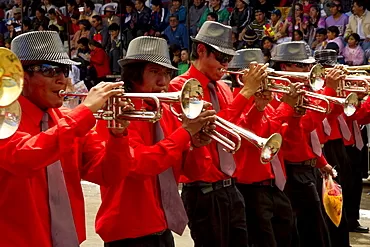
The air in Oruro, Bolivia, during its world-renowned Carnival is thick with anticipation, color, and, most notably, sound. While the dazzling costumes, intricate dances, and ancient rituals capture the eye, it is the pulsating, relentless rhythm of the brass bands Oruro Carnival that truly defines this extraordinary cultural spectacle. These powerful musical ensembles are the very heartbeat of the celebration, propelling the dancers and captivating spectators with an energy that is both infectious and deeply rooted in Bolivian tradition.
Introduction to Oruro Carnival
Oruro Carnival, recognized by UNESCO as a Masterpiece of the Oral and Intangible Heritage of Humanity, is far more than just a party; it’s a profound expression of faith, history, and cultural identity. Each year, this vibrant festival transforms the Andean city of Oruro into a living stage, where ancient indigenous beliefs blend seamlessly with Catholic traditions. Dating back over two centuries, the Carnival celebrates the Virgen del Socavón (Virgin of the Mines) and features elaborate processions, mythical figures, and a dazzling array of traditional dances like the Diablada (Dance of the Devils), Morenada, Caporales, and Tobas. The entire event is a spectacular display of Bolivian music festivals, drawing visitors from around the globe to witness its unique blend of spirituality and festivity. Its rich Oruro Carnival history tells a story of resilience, cultural fusion, and artistic expression, making it one of the most significant South American festivals.
The Role of Brass Bands in the Carnival
At the very core of the Oruro Carnival experience are its magnificent brass bands. They are not merely background music; they are the driving force, the living pulse that animates every parade, every dance, and every moment of celebration. These bands provide the relentless energy required for the thousands of dancers who move through the streets for hours, sometimes even days, on end. Their music dictates the pace, evokes the emotion, and ensures the continuous flow of the spectacle. The cultural significance of music in Oruro traditions cannot be overstated, and the brass bands embody this perfectly. They are the sonic backbone of the community celebrations, weaving together the vibrant tapestry of the festival and ensuring that the musical heritage of Oruro continues to thrive. Without the thunderous, joyful sound of the brass bands, the Oruro Carnival simply wouldn’t be the same.
History of Brass Bands in Oruro
The origins of brass bands in Oruro are a fascinating blend of indigenous musical traditions and European influences. Initially, military bands introduced brass instruments to Bolivia, but over time, these instruments were adopted and adapted by local musicians, particularly in mining communities like Oruro. The late 19th and early 20th centuries saw the emergence of popular folk ensembles that began to incorporate trumpets, trombones, and tubas into their repertoire. These instruments quickly found a natural home within the existing framework of traditional Bolivian music, especially in the context of religious festivities and communal gatherings. Key historical events, such as the growth of mining industries and increased cultural exchange, further shaped their development. From humble beginnings, these groups evolved into the powerful, organized brass bands we know today, becoming an indispensable part of Oruro’s cultural events and a symbol of its enduring musical heritage.
Musical Styles and Instruments Used
The brass bands of Oruro Carnival are renowned for their powerful and diverse musical styles, each meticulously crafted to accompany specific dance groups. For instance, the majestic and slow rhythm of the Morenada, with its deep bass drum beats, is distinct from the energetic and intricate melodies of the Diablada, which feature faster tempos and more complex arrangements. The lively Caporales, the spirited Llamerada, and the fierce Tinkus all have their signature sounds, brought to life by the impressive array of instruments.
A typical Oruro brass band is a symphony of brass and percussion. You’ll hear the bright, piercing calls of trumpets, the robust harmonies of trombones, the deep, foundational bass lines of tubas (often sousaphones for portability), and the rich tones of saxophones and clarinets. The rhythmic section is equally crucial, featuring a variety of drums—from booming bass drums and snare drums to smaller, high-pitched percussion—and clashing cymbals that add dramatic accents. The collective sound is an overwhelming, immersive experience, a wall of festive music that envelops the listener and compels participation in the carnival dance. These brass band performances are a testament to the Oruro music scene’s vibrancy and the musicians’ skill in blending traditional melodies with powerful instrumentation.
Notable Brass Bands from Oruro
The prestige and popularity of the Oruro Carnival owe much to its iconic brass bands, which have achieved legendary status for their enduring contributions to this grand celebration. These traditional bands are not just musical groups; they are institutions, often with generations of musicians contributing to their legacy. Their live performances are eagerly anticipated highlights of the festival, driving the energy of the parades and captivating audiences with their skill and passion.
Band Profiles and Achievements
Among the most celebrated are bands like Banda Espectacular Pagador, often considered one of the pioneers and a benchmark for excellence. Founded decades ago, Pagador is synonymous with the Carnival, known for its powerful sound, precision, and ability to energize the most demanding dance groups. Their history is intertwined with the evolution of the modern Oruro Carnival, having set the standard for many other ensembles.
Another prominent group is Banda 10 de Febrero, named after the date of Oruro’s independence. This band has also garnered immense respect for its consistent quality and its significant role in preserving and innovating carnival music. They are known for their strong interpretations of traditional rhythms and their ability to command the attention of thousands of spectators and dancers alike.
Other notable mentions include Banda Internacional Poopó, which has taken the sounds of Oruro far beyond Bolivia, performing at international cultural events and spreading the unique musical heritage of the region. These bands, through their unwavering dedication and countless hours of practice, have not only achieved widespread recognition but have also profoundly enriched the Oruro Carnival experience, ensuring its continued vibrancy and global appeal. Their contributions are a vital part of the cultural heritage of Bolivia.
The Experience of Watching Brass Bands Live
To witness the brass bands Oruro Carnival live is an experience that transcends mere observation; it’s an immersion. As you stand along the parade route, the ground literally vibrates beneath your feet, and the air thrums with an energy you can feel in your chest. The sheer volume and power of hundreds of brass instruments playing in unison create an almost overwhelming sensory feast. The sight of these dedicated musicians, often playing for hours under the Andean sun, is awe-inspiring. They march with the dancers, their faces gleaming with sweat and concentration, yet their music never falters.
The live performances are a spectacle of synchronized movement and sound. Each band, often comprising dozens of musicians, moves as a single entity, their polished instruments glinting as they play the intricate melodies and powerful rhythms that define the carnival music. It’s an electrifying atmosphere, where the boundary between performer and audience blurs, and everyone is swept up in the collective joy and fervor of the moment. This is the true Oruro Carnival experience – a vibrant, unforgettable testament to South American culture and the power of live music events.
Tips for Visitors
For those planning to experience the brass bands Oruro Carnival firsthand, a few tips can enhance your enjoyment. Firstly, arrive early to secure a good spot along the parade route, especially if you want to be close to the action. The best vantage points fill up quickly! Secondly, stay hydrated; the high altitude and continuous excitement can be taxing. Carry water and wear comfortable shoes, as you’ll likely be standing for extended periods.
It’s also wise to respect local customs and traditions. The Carnival is a deeply spiritual event for many, so observe and participate respectfully. Don’t be afraid to immerse yourself in the festive music; clap along, cheer for the dancers, and let the rhythms move you. Consider purchasing a seat in a grandstand for a clearer view, though standing among the crowds offers a more raw and authentic experience. Embrace the unexpected, be open to the vibrant energy, and prepare for an unforgettable journey into the heart of one of the world’s most spectacular festivals in Bolivia.
Cultural Impact and Global Reach
The brass bands Oruro Carnival have had an undeniable and far-reaching cultural impact, extending far beyond the borders of Bolivia. Their unique sound and the spirited energy they bring to the Carnival have become emblematic of South American culture and its rich tapestry of folk traditions. Through documentaries, international performances, and the sheer magnetism of the Carnival itself, Oruro’s music culture has inspired musicians and cultural enthusiasts worldwide.
These traditional bands have not only preserved ancient melodies but have also fused them with modern interpretations, creating a dynamic and evolving musical heritage. This blend has influenced contemporary Bolivian artists and even global music scenes, showcasing the adaptability and enduring appeal of carnival music. The international recognition of the Oruro Carnival by UNESCO has further amplified the global reach of its brass bands, drawing attention to the importance of preserving such unique cultural identity and live performances. They serve as powerful ambassadors for Bolivia, demonstrating the country’s profound artistic spirit and its ability to host truly magnificent heritage festivals.
Conclusion
The brass bands Oruro Carnival are much more than just musical ensembles; they are the enduring spirit, the thumping heart, and the vibrant voice of one of the world’s most extraordinary cultural events. From their rich history rooted in both indigenous and European influences to their powerful, diverse musical styles, these bands embody the very essence of Oruro’s traditions and its profound cultural significance. They are the tireless engines that drive the spectacular parades, inspiring thousands of dancers and captivating millions of spectators with their unparalleled energy and passion. To witness these traditional bands in full flow is to experience the true soul of Bolivia, a testament to its vibrant musical heritage and unwavering community celebrations. We wholeheartedly encourage everyone to experience this unique phenomenon firsthand, to feel the ground shake, hear the trumpets soar, and be swept away by the unforgettable magic of the Oruro Carnival.
The jilibetapp is a lifesaver! I can play on my phone during my lunch break. Super convenient and runs smoothly. Makes those boring meetings a little less painful!.
888phl https://www.n888phl.net