
Tips for Visiting Oruro Carnival
Imagine a vibrant explosion of color, sound, and ancient traditions, echoing through the high altitudes of the Bolivian Andes. That’s the Oruro Carnival for you – a UNESCO Masterpiece of the Oral and Intangible Heritage of Humanity, and an experience unlike any other in the world. Far more than just a party, this incredible cultural festival is a profound expression of Bolivian culture, blending indigenous beliefs with Catholic traditions. If you’re planning an adventure travel trip to witness this spectacular event, you’re in for a treat. But to truly make the most of your Oruro Carnival experiences, a little preparation goes a long way. This comprehensive guide offers essential tips for visiting Oruro Carnival, ensuring your journey is as smooth and memorable as the carnival itself. From navigating the bustling streets to savoring traditional foods, we’ve got you covered with practical travel advice for an unforgettable Bolivian celebration.
Understanding Oruro Carnival: A Cultural Overview
The Oruro Carnival isn’t just one of many Bolivia festivals; it’s a deeply spiritual and historically rich event, holding immense significance in Bolivian culture. Its roots stretch back centuries, intertwining pre-Columbian Andean rituals with the Catholic traditions introduced by Spanish colonizers. Originally an indigenous festival, the “Anata” or “Pujllay” honored Pachamama (Mother Earth) and the Uru god, Supay (the devil). With the arrival of the Spanish, these traditions merged with Christian festivities, particularly the Feast of Candelaria. To avoid persecution, indigenous people cleverly disguised their worship of Andean deities behind Catholic saints, creating a unique syncretism that defines the carnival today.
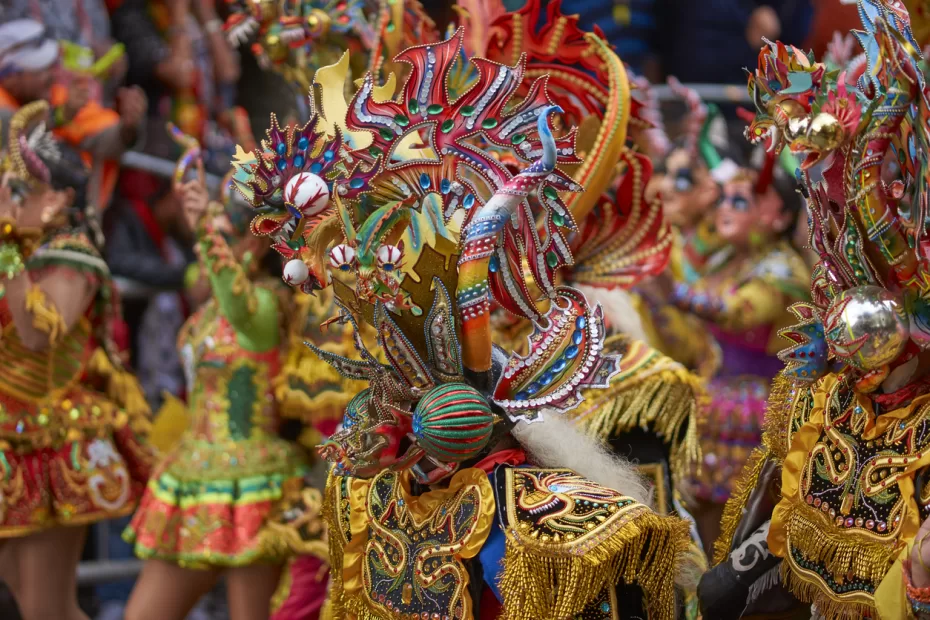
At its heart, the carnival is a tribute to the Virgen del Socavón (Virgin of the Mines), the patron saint of miners, and a symbolic battle between good and evil. The central narrative revolves around the Archangel Michael defeating the seven deadly sins, represented by various devil figures and other mythological creatures. This epic tale unfolds through mesmerizing carnival parades, where thousands of dancers and musicians perform intricate choreographies in elaborate Oruro Carnival costumes, passed down through generations. These cultural traditions are not merely performances; they are living prayers and expressions of faith, gratitude, and community. The sheer scale and devotion involved make it one of the most compelling cultural festivals you’ll ever encounter, a true highlight among Oruro cultural events. It’s a powerful testament to the resilience and vibrancy of the Uru people and their ancestral heritage, setting it apart from many other festivals around the world.
When to Visit: Timing Your Trip to Oruro Carnival
Timing is everything when planning your Oruro Carnival travel. The carnival typically takes place over a week, culminating on the Saturday before Ash Wednesday, which marks the beginning of Lent. This means the Oruro Carnival dates vary each year, usually falling in late February or early March. It’s crucial to check the exact dates for your intended year of visit well in advance, as they are based on the lunar calendar.
While the main parade, La Peregrinación al Socavón, is the highlight and occurs on the Saturday, the entire week leading up to it is filled with smaller parades, cultural events, and celebrations. To truly soak in the atmosphere and avoid missing out, plan to arrive at least a few days before the main Saturday procession. This also gives you time to acclimatize to Oruro’s high altitude (approximately 3,700 meters or 12,140 feet above sea level), which can be challenging for some visitors.
The best time to visit Oruro for the carnival is undoubtedly during this specific week. However, this also means it’s peak season, and demand for everything from flights to accommodation skyrockets. As soon as the Oruro Carnival dates are announced (usually a year in advance), it’s advisable to book your flights, hotels, and any guided tours. Many hotels in Oruro Bolivia are fully booked months in advance, and prices are significantly higher. Last-minute bookings are generally not an option unless you’re willing to pay a premium or stay outside the city. Planning ahead is the most important piece of travel advice for Oruro Carnival.
How to Get to Oruro: Travel Tips and Transportation
Getting to Oruro requires a bit of planning, but it’s a well-trodden path for many travelers. Oruro is centrally located in Bolivia, making it accessible from various major cities.
-
By Air: Oruro has its own airport, Juan Mendoza Airport (ORU), which offers domestic flights. However, international travelers will typically fly into El Alto International Airport (LPB) in La Paz or Viru Viru International Airport (VVI) in Santa Cruz. From La Paz, you can then take a domestic flight to Oruro, though these are less frequent and often more expensive during carnival season.
-
By Bus: The most common and economical way to reach Oruro is by bus. Bolivia has an extensive bus network.
-
From La Paz: Numerous buses depart daily from La Paz’s main bus terminal to Oruro. The journey takes approximately 3-4 hours, depending on traffic and road conditions. During carnival, special services might run, but tickets will sell out quickly.
-
From Cochabamba: The bus ride from Cochabamba to Oruro takes around 4-5 hours.
-
From Santa Cruz: This is a much longer journey, typically 12-14 hours, often overnight.
-
It’s highly recommended to book your bus tickets in advance, especially for travel during the carnival week. Reputable bus companies offer different classes of service, from normal to semi-cama (reclining seats) and cama (fully reclining beds), with cama being the most comfortable for longer journeys.
Once you arrive in Oruro, local transportation consists primarily of minibuses (vans) and taxis. Minibuses follow fixed routes and are very affordable, while taxis offer more direct travel. During the carnival, many streets in the city center are closed to traffic, so be prepared to walk considerable distances. Negotiate taxi fares before getting in, or ensure the meter is used if available. For Oruro Carnival travel, walking is often the best way to navigate the crowded streets and experience the pre-parade atmosphere. Be aware that Oruro transportation can become quite chaotic, so patience is key.
What to Expect: Highlights of the Carnival Experience
The Oruro Carnival is an assault on the senses in the most magnificent way, offering a rich tapestry of Oruro Carnival highlights. The sheer scale of the event is breathtaking, with thousands of dancers and musicians participating in the main procession.
The absolute centerpiece is the Saturday Peregrinación al Socavón (Pilgrimage to the Virgin of the Mines). This epic parade lasts for over 20 hours, beginning early in the morning and continuing well into the night. It features more than 50 distinct dance groups, each with hundreds of performers, showcasing a dazzling array of Oruro Carnival costumes. The most iconic dance is the Diablada (Dance of the Devils), where dancers don elaborate masks and costumes representing devils, angels, and other mythological figures, performing a dramatic battle between good and evil. Other prominent dances include the Morenada, Caporales, Llamerada, and Tobas, each with its unique rhythm, choreography, and intricate attire. The parade culminates at the Sanctuary of the Virgen del Socavón, where dancers offer their devotion.
Beyond the main parade, the carnival offers a plethora of Oruro events and attractions. The Friday “Convite” is a smaller, more informal parade that serves as a dress rehearsal and a blessing for the main event. On Sunday, the Corso del Carnaval features more relaxed parades and often includes children’s groups. Throughout the week, you’ll find smaller cultural performances, music concerts, and street parties. The atmosphere is electric, with spectators lining the streets, cheering on the dancers, and often joining in the revelry.
Expect immense crowds, especially along the parade route. Finding a good spot requires planning; many visitors opt to purchase seats in grandstands (graderías) that line the route. These seats offer a better view and some protection from the sun or rain. Alternatively, you can try to find a spot on the street, but be prepared for a tight squeeze and limited visibility. Throughout the carnival, the air is filled with the sounds of traditional instruments, the rhythmic pounding of drums, and the joyful shouts of revelers, creating an unforgettable sensory experience. These carnival parades are truly a spectacle of devotion and artistry.
Local Cuisine: Must-Try Foods at Oruro Carnival
No cultural experience is complete without diving into the local cuisine, and Oruro Carnival is no exception. Bolivian food is hearty, flavorful, and perfectly suited for fueling long days of celebration. While street vendors abound, offering quick bites, seeking out traditional dishes will enhance your Oruro Carnival experiences.
One of the most iconic dishes you must try is Api con Buñuelos. Api is a thick, sweet, and warm drink made from purple corn, often spiced with cinnamon and cloves. It’s the perfect antidote to Oruro’s chilly mornings and high altitude. It’s typically served with buñuelos, which are light, fluffy, deep-fried fritters, often drizzled with honey or dusted with powdered sugar. This combination is a breakfast staple and a comforting snack throughout the carnival.
Another carnival favorite is Fricasé. This rich and savory stew is made with pork, hominy (mote), potatoes, and a spicy yellow chili (ají amarillo) sauce. It’s often served with a hard-boiled egg and a sprinkle of llajwa (a spicy salsa). Fricasé is considered a hangover cure and a hearty meal to keep your energy up during the festivities.
For something a bit lighter but equally delicious, look for Salteñas. These savory baked empanadas are filled with a juicy, slightly sweet mixture of meat (beef or chicken), potatoes, peas, and sometimes a piece of hard-boiled egg or olive. The trick to eating a salteña without making a mess is to bite off the top corner and drink the flavorful broth before devouring the rest. They are a quintessential Bolivian snack, perfect for a quick bite between parades.
Other traditional foods to sample include Anticuchos (marinated beef heart skewers, grilled over charcoal), Choripán (grilled chorizo sausage in a bread roll, often with a spicy sauce), and various potato dishes, as potatoes are a staple of the Andean diet. Don’t forget to try the local fruit juices and chicha, a traditional fermented corn beverage (consume with caution, as alcohol content varies). Exploring these culinary delights is an adventure in itself and a wonderful way to connect with Bolivian culture.
Dress Code: What to Wear for the Carnival
When planning your Oruro Carnival travel, packing appropriate clothing is crucial for comfort and safety. There isn’t a strict “dress code” for spectators in the way there is for participants in their elaborate Oruro Carnival costumes, but practical considerations are paramount.
First and foremost, remember Oruro’s high altitude. Even in February or March, mornings and evenings can be quite chilly, while midday sun can be intense. Layering is key. Start with a base layer, add a warm fleece or sweater, and top it with a waterproof and windproof jacket. You’ll likely be walking a lot, so comfortable walking shoes are essential. Choose closed-toe shoes that can withstand crowds and potentially muddy or wet streets.
During the day, when the sun is out, it can get warm, so you might shed layers. However, UV radiation at this altitude is very strong, so sun protection is vital. Bring a wide-brimmed hat, sunglasses, and high-SPF sunscreen.
A small, secure backpack or fanny pack is useful for carrying essentials like water, snacks, sunscreen, and a light rain jacket. Avoid large, bulky bags that can be cumbersome in crowds. While you won’t be expected to wear carnival costumes unless you’re participating in a dance group, comfortable, casual clothing is the norm for spectators. Think breathable fabrics, durable pants or shorts, and t-shirts.
One important cultural note: on the Sunday after the main parade, it’s a tradition for locals to engage in “water fights” or throw foam. While this is usually a playful activity, tourists can sometimes be targeted. If you plan to be out on Sunday, consider wearing clothes you don’t mind getting wet or bringing a poncho. Some people even embrace it and buy small water guns! Being prepared for varying weather and playful interactions will ensure you enjoy the festival comfortably.
Safety Tips: Ensuring a Secure Experience at the Carnival
Attending a massive event like the Oruro Carnival, while exhilarating, requires a heightened awareness of safety. These safety at festivals tips will help you navigate the crowds and enjoy your experience securely.
Altitude Sickness: Oruro is high! Many visitors experience soroche (altitude sickness). To mitigate this:
-
Arrive a few days early to acclimatize.
-
Drink plenty of water (avoid alcohol and caffeine initially).
-
Eat light meals.
-
Avoid strenuous activity upon arrival.
-
Consider consulting your doctor about medication like Diamox before your trip.
-
Chew coca leaves or drink coca tea, a traditional remedy, but be aware of local laws regarding their possession.
Petty Crime: Like any large gathering, the carnival attracts pickpockets.
-
Keep your valuables secure and out of sight. A money belt worn under your clothes is ideal for passports, large sums of cash, and credit cards.
-
Carry only essential items and a minimal amount of cash for the day.
-
Be extra vigilant in crowded areas, on public transport, and during the parades.
-
Avoid flashy jewelry or expensive electronics. If you must carry a phone, keep it in a front pocket or a secure bag.
Crowd Management: The crowds are immense.
-
Establish meeting points with your travel companions in case you get separated.
-
Stay aware of your surroundings and avoid isolated areas, especially at night.
-
Be mindful of your footing, as streets can be uneven and littered.
Health and Hydration:
-
Stay hydrated by drinking bottled water frequently.
-
Be cautious with street food. While delicious, ensure it’s freshly prepared and hot. Opt for popular stalls with high turnover.
-
Carry hand sanitizer.
-
Have a small first-aid kit with basics like pain relievers, band-aids, and any personal medications.
Emergency Contacts:
-
Know the local emergency numbers (e.g., police, ambulance).
-
Have contact information for your embassy or consulate.
-
Inform someone at home of your itinerary.
By following these travel tips Oruro, you can significantly reduce risks and focus on enjoying the vibrant energy of this incredible Bolivian celebration.
Cultural Etiquette: Do’s and Don’ts at Oruro Carnival
Respecting local customs and cultural traditions is paramount to a meaningful and positive experience at Oruro Carnival. This cultural etiquette Bolivia guide will help you navigate the festival with sensitivity and appreciation.
Do’s:
-
Do ask for permission before taking close-up photos of individuals. While many performers are accustomed to being photographed, a polite gesture or verbal request (even with limited Spanish) goes a long way. This is particularly important for older participants or those in more traditional attire.
-
Do engage with locals. Bolivians are generally friendly and proud of their culture. A simple “¡Hola!” or “¡Gracias!” can open doors to wonderful interactions.
-
Do dress respectfully. While carnival is a time for celebration, remember its deep religious and cultural significance. Avoid overly revealing clothing, especially when visiting churches or sacred sites.
-
Do try to learn a few basic Spanish phrases. Even a little effort will be appreciated and can greatly enhance your travel advice and interactions.
-
Do be patient and flexible. Things may not always run on schedule, and crowds can be overwhelming. Embrace the flow and enjoy the unique pace of the festival.
-
Do show appreciation for the performers. Cheer, clap, and immerse yourself in the energy of the carnival parades. Your enthusiasm will be contagious.
Don’ts:
-
Don’t interrupt dancers or musicians during their performances. Give them space and respect their dedication to their art and spiritual offerings.
-
Don’t litter. Help keep Oruro clean by disposing of your trash properly.
-
Don’t be overly intrusive with your camera. While festival photography is encouraged, avoid using flash directly in people’s faces or blocking views for others.
-
Don’t openly display large amounts of cash or expensive electronics. This goes back to safety, but also avoids drawing unnecessary attention.
-
Don’t dismiss the religious or spiritual aspects of the carnival. While it’s a party, it’s also a pilgrimage and a deeply meaningful event for many. Approach it with an open mind and respect for its sacred elements.
-
Don’t forget to stay hydrated and take breaks. The altitude and excitement can be draining.
By observing these local customs, you’ll not only have a more authentic Oruro Carnival experience but also contribute positively to the local community and its cherished traditions.
Photography Tips: Capturing the Spirit of Oruro Carnival
Oruro Carnival is a photographer’s dream, a kaleidoscope of color, movement, and raw emotion. Capturing its spirit requires preparation and a keen eye. Here are some travel photography tips to help you get stunning shots.
Equipment Essentials:
-
Camera Body: A DSLR or mirrorless camera offers the best control and image quality.
-
Lenses:
-
Versatile Zoom (e.g., 24-70mm or 24-105mm): Great for capturing a range of shots, from wider street scenes to tighter portraits of performers.
-
Telephoto Lens (e.g., 70-200mm or 100-400mm): Essential for capturing distant dancers and intricate details of Oruro Carnival costumes without getting too close in the crowded environment.
-
Wide-angle (e.g., 16-35mm): Useful for capturing the scale of the carnival, the grandstands, and the overall atmosphere.
-
-
Extra Batteries: You’ll be shooting all day, so multiple spare batteries are a must.
-
Plenty of Memory Cards: Don’t run out of space for those incredible moments.
-
Lens Cleaning Kit: Dust and grime are inevitable.
-
Rain Cover/Protection: Be prepared for sudden rain showers, which are common in the Andes.
-
Secure Camera Bag: A comfortable and secure bag that protects your gear and is easy to carry in crowds.
Shooting Strategies:
-
Anticipate the Action: Dancers move in patterns. Try to predict where the next burst of energy or dramatic pose will occur.
-
Focus on Expressions: The faces of the dancers, often hidden behind masks, can convey incredible emotion. Look for moments of intensity, joy, or devotion.
-
Capture the Details: The elaborate Oruro Carnival costumes are works of art. Zoom in on the intricate embroidery, feathers, and masks.
-
Vary Your Angles: Don’t just shoot from eye level. Look for elevated positions (if safe and permitted) or get down low to capture dynamic perspectives.
-
Use Shutter Priority (Tv/S mode): For capturing movement, a faster shutter speed (e.g., 1/500th second or higher) will freeze the action. If you want to convey a sense of motion blur in the background, experiment with slower speeds while panning.
-
Master Low Light: The carnival continues into the night. A fast lens (low f-number) and a camera that performs well at higher ISOs will be invaluable.
-
Respectful Photography: As mentioned in cultural etiquette, always be mindful of the performers and their space. A quick nod or smile before raising your camera can go a long way.
-
Protect Your Gear: In crowded areas, keep your camera strap around your neck or wrist. Be aware of your surroundings to prevent bumps or falls.
Festival photography at Oruro is a unique challenge and reward. By being prepared and respectful, you’ll come away with stunning images that truly capture the vibrant spirit of this extraordinary Bolivian celebration.
Conclusion: Making the Most of Your Oruro Carnival Experience
Visiting Oruro Carnival is more than just attending a festival; it’s an immersive journey into the heart of Bolivian culture and a profound encounter with ancient traditions. From the moment you begin planning your Oruro Carnival travel, you’re embarking on an adventure that promises to be both visually spectacular and deeply moving.
By understanding the rich history and spiritual significance of this UNESCO-recognized event, timing your trip wisely to secure accommodations and transportation, and preparing for the unique challenges of high-altitude travel, you lay the groundwork for a truly unforgettable experience. Remember to embrace the vibrant chaos of the carnival parades, savor the delicious traditional foods that fuel the festivities, and dress practically for comfort and the unpredictable Andean weather.
Crucially, prioritize your safety and respect the local customs and cultural etiquette. Engaging with the friendly locals, asking permission for photos, and appreciating the immense devotion of the performers will enrich your journey beyond measure. And for those keen on capturing the magic, armed with the right photography tips, you’ll be able to preserve the dazzling colors and raw energy of Oruro for years to come.
The Oruro Carnival is a testament to human spirit, resilience, and the enduring power of cultural traditions. It’s an explosion of sound, color, and faith that will leave an indelible mark on your memory. So, pack your bags, prepare your senses, and get ready to be swept away by one of the most magnificent cultural festivals in the world. Embrace every moment, and you’ll undoubtedly make the most of your Oruro Carnival experience.
Okay, I tried out gamebetapp, and it’s pretty cool so far. Interface is clean and they are always updating the platform so there’s always something new. Check it here: gamebetapp
Kampungbetslot’s got a certain charm to it. Feels local, y’know? Worth a punt if you’re after a different vibe. Give it a look-see: kampungbetslot
Hey, y’all! Been hearing a lot about winning bonuses here at vincispincasinobonus. I signed up and sure enough, got a killer introductory offer!! Check out the site right here vincispincasinobonus and take advantage of that welcome bonus, my friends!!
VNFF66 is alright. Nothing spectacular but reliable. Been using it for small bets now and then. Site’s clean, payouts are prompt enough. Here’s the link: vnff66