
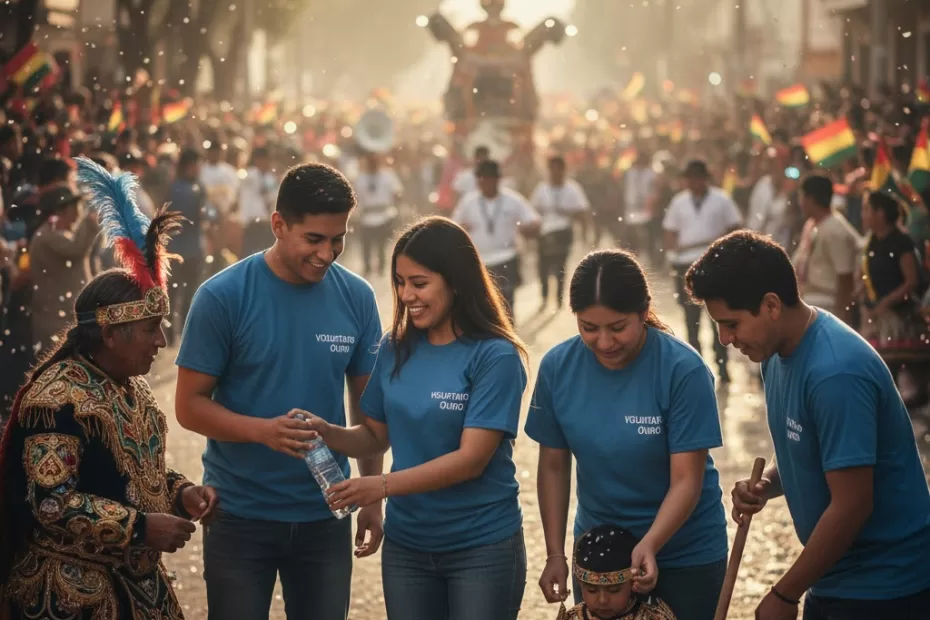
Volunteer Experience at Oruro Carnival
Imagine a kaleidoscope of color, a symphony of sound, and an energy that vibrates through your very soul. This is the Oruro Carnival, one of the most spectacular and culturally rich festivals on Earth, recognized by UNESCO as a Masterpiece of the Oral and Intangible Heritage of Humanity. But beyond the dazzling parades and ancient rituals lies a vibrant community of individuals who dedicate their time, energy, and hearts to keeping this monumental event running smoothly: the volunteers. Embarking on an Oruro Carnival volunteer experience is more than just attending a festival; it’s a profound journey of cultural immersion, community engagement, and personal discovery. It’s an opportunity to step behind the scenes, to understand the intricate tapestry of Bolivian culture, and to contribute to a celebration that defines a nation.
For many young travelers aged 18-35, seeking adventure, cultural festivals, and a chance to give back, the Oruro Carnival offers unparalleled volunteer opportunities in South America. It’s a chance to go beyond typical tourism, to truly connect with local customs, and to witness firsthand the power of collective spirit. The stories of those who have embraced this unique journey are testaments to its transformative power, highlighting not just the challenges but the immense rewards of being part of something so much larger than oneself.
What is the Oruro Carnival?
At its heart, the Oruro Carnival is Bolivia’s most important folk and religious festival, a breathtaking display of traditional dances, music, and elaborate costumes held annually in the city of Oruro. While often compared to Brazil’s Rio Carnival, Oruro offers a distinctly different, deeply spiritual, and culturally significant experience rooted in centuries of history. It’s not merely a party; it’s a sacred pilgrimage, a fervent expression of faith, and a vibrant homage to ancient Andean deities and Catholic saints.
The carnival spans several days leading up to Ash Wednesday, culminating in a grand procession, the “Anata Andina,” and the “Peregrinación al Socavón.” This main procession features thousands of dancers and musicians performing 18 different traditional dances, each telling a story, often blending indigenous beliefs with Christian traditions. The iconic Diablada, or “Dance of the Devils,” is perhaps the most famous, with its intricate masks and powerful choreography symbolizing the struggle between good and evil. Other beloved carnival dances include the Morenada, Caporales, and Tobas, each with unique origins, rhythms, and stunning attire.
The significance of the Oruro Carnival extends far beyond entertainment. It’s a living testament to Bolivia’s rich cultural heritage, a powerful expression of identity for the Oruro city community, and a spiritual journey for its participants. It serves as a vital link to the past, preserving ancient rituals and local customs while continuously evolving. For the people of Oruro and indeed all of Bolivia, it is a source of immense pride, a time for joyous celebration, and a moment for profound reflection. The festive experiences here are truly one-of-a-kind, offering a window into the soul of Bolivian culture.
History of the Oruro Carnival
The Oruro Carnival’s history is a fascinating tapestry woven from indigenous Andean spiritual practices, Spanish colonial influences, and a resilient spirit of cultural adaptation. Its roots stretch back long before the arrival of the Spanish, to the Uru people, who inhabited the region and held sacred ceremonies in honor of Pachamama (Mother Earth) and the god Supay (lord of the underworld in some Andean traditions). These ancient rituals were often performed in the dry season, coinciding with what would later become the carnival period, and involved offerings and dances to ensure good harvests and protection.
With the arrival of the Spanish conquistadors in the 16th century, and the subsequent imposition of Catholicism, these indigenous practices did not disappear but rather transformed. The Spanish attempted to suppress native religions, but the Uru people ingeniously integrated their beliefs into the new Christian framework, giving rise to a unique syncretism that defines the carnival today. For instance, Supay, the indigenous deity, became associated with the Christian devil, and the veneration of Pachamama merged with devotion to the Virgin Mary, specifically the Virgen del Socavón (Virgin of the Mineshaft), the patron saint of miners.
The 18th century saw the emergence of the Diablada dance, a powerful representation of this syncretism. Miners, often working in dangerous conditions, sought protection from both the Virgin and Supay. The dance depicts the Archangel Michael confronting the devil and his legions, ultimately leading to their defeat. This narrative, however, is deeply layered, with the devils often representing the oppressive colonial forces and the indigenous spirit of resistance.
Over the centuries, the carnival evolved, incorporating new dances, music, and traditions from various regions and ethnic groups within Bolivia. The railway boom in Oruro in the late 19th and early 20th centuries brought an influx of people and cultures, further enriching the festival. Guilds and fraternities, often associated with mining or other trades, became custodians of specific dances, ensuring their preservation and development.
In 2001, the Oruro Carnival was officially declared a Masterpiece of the Oral and Intangible Heritage of Humanity by UNESCO, a recognition that underscored its global significance and the importance of preserving its unique blend of indigenous cosmology and Catholic tradition. This designation brought increased international attention and a renewed commitment to safeguarding this extraordinary cultural heritage for future generations. Understanding this rich Oruro Carnival history is crucial for anyone hoping to truly appreciate the depth and meaning behind the festive experiences and traditional dances.
Why Volunteer at Oruro Carnival?
Choosing an Oruro Carnival volunteer experience is a decision that promises far more than just a memorable trip; it offers a profound opportunity for personal growth, meaningful community impact, and unparalleled cultural immersion experiences. For those seeking travel volunteering opportunities that truly make a difference, Oruro offers a unique proposition.
Firstly, the personal growth aspect is immense. Stepping into a volunteer role in a high-energy, culturally intense environment like the Oruro Carnival challenges you in ways conventional travel simply cannot. You’ll develop adaptability, problem-solving skills, and resilience as you navigate unexpected situations and learn to work effectively in a diverse team. Many volunteers recount how the experience pushed them out of their comfort zones, fostering a newfound confidence and independence. It’s an opportunity to discover strengths you never knew you had, all while contributing to a globally recognized event.
Secondly, the community impact is tangible and deeply rewarding. The Oruro Carnival, despite its grandeur, relies heavily on the dedication of countless individuals, including volunteers, to manage its complex logistics, ensure public safety, and preserve its cultural integrity. By volunteering, you directly contribute to the smooth running of this essential cultural festival in Bolivia. You might assist local organizations, support the dancers and musicians, or help manage the vast crowds, all of which directly benefit the Oruro city community. This sense of giving back travel transforms your journey from a passive observation into an active participation, fostering a deep connection with the local people and their traditions. It’s community service in Bolivia at its most vibrant.
Thirdly, the cultural immersion is unparalleled. Unlike a tourist who observes from the sidelines, a volunteer becomes an integral part of the carnival’s fabric. You’ll gain Oruro Carnival insights that are simply inaccessible to the average visitor. You’ll interact daily with locals, learning about their lives, their beliefs, and their passion for the carnival. You might find yourself sharing meals with families, practicing Spanish with vendors, or even learning a few steps of a traditional dance. This deep dive into Bolivian culture allows for a more authentic understanding of the country’s heart and soul, moving beyond stereotypes and fostering genuine cross-cultural understanding. It’s an immersive travel experience that stays with you long after the confetti has settled.
Finally, for those interested in volunteering abroad, especially in Latin America, Oruro Carnival volunteering stands out as a unique entry on any resume or personal journey. It demonstrates a willingness to engage, to learn, and to contribute to global cultural preservation. It’s an adventure that combines the thrill of South America travel with the satisfaction of meaningful work, creating memories and forging friendships that last a lifetime. Many volunteers leave Oruro with a profound appreciation for the human spirit, a deeper understanding of cultural diversity, and a renewed sense of purpose.
Volunteer Roles and Responsibilities
The Oruro Carnival is a massive undertaking, requiring a diverse range of volunteer roles and responsibilities to ensure its success. While specific positions can vary depending on the organizing body and the needs of a particular year, general categories of volunteer opportunities in South America at the carnival typically include logistical support, crowd management, cultural exchange facilitation, and direct assistance to performers.
One of the most common and crucial areas for Oruro Carnival volunteering is logistical support. Volunteers in these roles might be involved in setting up and dismantling stages, barriers, and seating areas along the parade route. This could mean carrying equipment, distributing supplies to various checkpoints, or assisting with waste management and cleanup efforts before, during, and after the main events. These roles often require physical stamina and a willingness to get hands-on, but they are vital for creating a safe and functional environment for both participants and spectators.
Crowd management and safety is another critical area. With hundreds of thousands of spectators flocking to Oruro city for the carnival celebrations, ensuring public safety and maintaining order is paramount. Volunteers might assist local police and security personnel in guiding crowds, directing traffic (both pedestrian and vehicular), and providing information to visitors. They might help identify potential bottlenecks, assist lost children, or ensure that emergency exits remain clear. These roles demand good communication skills, a calm demeanor under pressure, and a strong sense of responsibility. Volunteers often become the first point of contact for tourists seeking directions or assistance, embodying the welcoming spirit of the Oruro community impact.
Cultural exchange and information roles are perfect for those with strong interpersonal skills and an interest in sharing knowledge. Volunteers might work at information booths, providing details about the carnival schedule, its history, and the significance of various dances and costumes. They could also act as translators for international visitors or assist local cultural groups in communicating their stories to a broader audience. These positions often require proficiency in Spanish and a genuine enthusiasm for Bolivian culture, offering a direct pathway to immersive travel experiences. They are crucial for enhancing the understanding and appreciation of Oruro Carnival traditions among international guests.
Direct support for performers is another impactful volunteer role. This could involve assisting dance groups (fraternidades) with costume logistics, providing water and snacks to dancers and musicians along the long parade route, or helping with last-minute preparations backstage. These volunteers get an incredibly close look at the dedication and effort that goes into each performance, often forming bonds with the local artists. This type of community engagement is particularly rewarding, as you witness the passion and artistry up close.
Finally, some volunteer opportunities may involve documentation and media support, where individuals with photography, videography, or writing skills help capture the essence of the carnival. This could mean documenting specific dances, interviewing participants, or helping to create content that promotes the carnival globally. These roles require specific technical skills but offer a unique way to contribute to the preservation and dissemination of this cultural heritage.
Required skills and qualifications for Oruro Carnival volunteering generally emphasize adaptability, a positive attitude, and a willingness to work as part of a team. While Spanish proficiency is often beneficial, especially for roles involving direct public interaction, it’s not always a strict requirement, as many organizations welcome volunteers who are eager to learn and contribute in other ways. A basic level of physical fitness is often helpful, given the long hours, walking, and the altitude of Oruro. Above all, a genuine interest in Bolivian culture and a desire to contribute to a vibrant cultural festival are the most important qualifications.
How to Prepare for Your Volunteer Experience
Preparing for your Oruro Carnival volunteer experience is key to making the most of this incredible journey. It involves practical considerations, mental readiness, and a commitment to cultural sensitivity. Thinking ahead will ensure a smoother, more enjoyable, and impactful experience as you immerse yourself in the festive experiences.
First and foremost, physical preparation is crucial, largely due to Oruro’s altitude. Located at approximately 3,700 meters (12,140 feet) above sea level, Oruro can be challenging for those unaccustomed to high altitudes. It’s highly recommended to arrive in Bolivia a few days before the carnival begins to allow your body to acclimatize. Drink plenty of water, avoid alcohol and heavy meals initially, and take it easy. During the carnival, you’ll be on your feet for long hours, so comfortable, sturdy walking shoes are an absolute must. Regular exercise before your trip will also help with stamina.
When it comes to what to pack, layers are your best friend. Oruro’s weather can be unpredictable, with warm sunny days followed by cool evenings or even rain. Pack lightweight, breathable clothing for daytime, and warmer layers for the evenings. A good quality waterproof jacket or poncho is essential. Don’t forget sun protection: a wide-brimmed hat, sunglasses, and high-SPF sunscreen are vital, as the sun’s rays are much stronger at altitude. A small daypack for water, snacks, and essentials is also practical. Due to the crowds, it’s wise to bring a secure, anti-theft bag for your valuables.
Mental and emotional preparation is just as important. The Oruro Carnival is an intense sensory experience – loud music, huge crowds, vibrant colors, and non-stop energy. It can be overwhelming at times. Cultivate an open mind, a flexible attitude, and a sense of humor. Things might not always go according to plan, and embracing the unexpected is part of the adventure. Researching Bolivian culture and Oruro Carnival traditions beforehand will help you understand the context and significance of what you’re witnessing, enhancing your cultural immersion experiences.
Engaging with the local community starts even before you arrive. Learn some basic Spanish phrases; even a few words like “Hola,” “Gracias,” and “Por favor” will go a long way in showing respect and facilitating interactions. Many organizations that facilitate Bolivia volunteer experiences offer pre-departure information and cultural briefings. Take advantage of these resources. Once in Oruro, be proactive in connecting with your fellow volunteers and the local people you’ll be working alongside. Ask questions, listen attentively, and show genuine interest in their lives and perspectives. Sharing meals, participating in local activities, and simply being present and respectful are powerful ways to build connections.
Finally, consider practical travel logistics. Ensure your passport is valid, and check visa requirements for Bolivia well in advance. Arrange travel insurance that covers high-altitude activities and potential medical emergencies. Book your accommodation early, as Oruro fills up quickly during carnival. Having some local currency (Bolivianos) on hand for small purchases is also a good idea. Following these Oruro travel tips will set you up for a rewarding and impactful Oruro Carnival volunteer experience.
Cultural Insights: What to Expect
Stepping into the Oruro Carnival is like entering a living museum, where ancient traditions blend seamlessly with contemporary celebrations. For volunteers, understanding these cultural insights is paramount to truly appreciating the depth of their immersive travel experiences. The carnival is a profound expression of Bolivian culture, steeped in history, spirituality, and artistic brilliance.
One of the most striking aspects you’ll encounter is the syncretism of beliefs. As discussed in the history section, the carnival is a beautiful fusion of indigenous Andean cosmology and Catholic faith. You’ll see this everywhere: in the reverence for the Virgen del Socavón alongside offerings to Pachamama, in the Diablada dancers who represent both Christian devils and Andean spirits, and in the prayers whispered in Quechua and Aymara alongside Spanish hymns. This isn’t a conflict of beliefs but a harmonious co-existence, deeply ingrained in the local customs. Volunteers often find this blend fascinating, offering a unique perspective on religious and cultural adaptation.
The carnival dances are the heart and soul of the Oruro Carnival. There are 18 main dances, each with its own history, music, choreography, and elaborate costumes.
-
The Diablada (Dance of the Devils) is perhaps the most iconic, with its fearsome masks, intricate embroidery, and energetic movements depicting the battle between good and evil. Volunteers often recount feeling the raw power of this dance, a testament to its spiritual significance.
-
The Morenada is another beloved dance, characterized by its heavy, rhythmic steps and exaggerated costumes symbolizing the African slaves brought to the mines. The sound of the matracas (ratchets) is unmistakable.
-
The Caporales is a more modern, yet equally vibrant dance, known for its athletic jumps and distinct drumming.
-
The Tobas dance, with its feathered headdresses and agile movements, pays homage to the indigenous Amazonian tribes.
-
You’ll also witness dances like the Kullawada, Llamerada, Tinkus, and others, each telling a piece of Bolivia’s diverse cultural narrative. The sheer dedication of the dancers, who practice for months, is awe-inspiring.
The costumes and masks are masterpieces of folk art. They are incredibly detailed, often handmade, and carry symbolic meaning. The Diablada masks, for instance, are elaborate sculptures adorned with serpents, toads, and other Andean symbols, representing mythical creatures and the forces of the underworld. The colors are vibrant, reflecting the joyous and spiritual nature of the carnival. Volunteers assisting with logistics might find themselves marveling at the weight and complexity of these outfits, gaining a deeper appreciation for the artistry involved.
Music is the constant heartbeat of the carnival. Each dance has its specific musical accompaniment, performed by live bands with traditional instruments like panpipes (sikuris), flutes (quenas), drums, and brass instruments. The sound is continuous, a powerful force that drives the dancers and energizes the crowds. Volunteers will be immersed in this soundscape, experiencing traditional music in its most authentic context.
Beyond the formal parades, you’ll encounter a pervasive festive atmosphere throughout Oruro city. The streets are alive with street vendors selling traditional foods and drinks, artisans displaying their crafts, and impromptu celebrations. The air is thick with the smell of incense, fireworks, and traditional Bolivian cuisine. Expect to see people spraying each other with water and foam (especially on Saturday and Sunday), a playful tradition that adds to the carnival celebrations. This playful side, combined with the profound spiritual elements, creates a unique blend of experiences.
Volunteers will also observe the deep community engagement and pride associated with the carnival. For the people of Oruro, this isn’t just an annual event; it’s a fundamental part of their identity and cultural heritage. The fraternities (dance groups) are often multi-generational, preserving the dances and passing them down through families. Being a part of this community, even for a short time, offers Oruro Carnival insights that go beyond any guidebook. It’s a chance to understand the true spirit of Bolivian culture and the power of collective celebration.
Safety and Health Tips
Navigating the Oruro Carnival as a volunteer requires not just enthusiasm but also a keen awareness of safety and health. The sheer scale of the event, coupled with Oruro’s unique geographical challenges, means volunteers need to be prepared. Prioritizing your well-being will ensure you can fully enjoy and contribute to your Bolivia volunteer experiences.
Altitude Sickness (Soroche): As mentioned, Oruro is at a high altitude (3,700m). Symptoms can include headaches, nausea, dizziness, shortness of breath, and fatigue.
-
Acclimatize: Arrive a few days early if possible to allow your body to adjust.
-
Hydrate: Drink plenty of water (avoid sugary drinks and excessive caffeine).
-
Avoid Alcohol: Especially in the first few days, alcohol can exacerbate altitude sickness.
-
Eat Light: Opt for smaller, carbohydrate-rich meals.
-
Rest: Don’t overexert yourself initially.
-
Consult a Doctor: If symptoms are severe, seek medical attention. Some people take altitude medication proactively – consult your doctor before traveling.
General Health:
-
Hydration: Beyond altitude, the long hours in the sun and physical activity mean constant hydration is crucial. Carry a reusable water bottle.
-
Sun Protection: The sun’s UV index is very high at altitude. Use high-SPF sunscreen, wear a wide-brimmed hat, and sunglasses.
-
Food and Water Safety: Be cautious with street food, especially if it looks like it’s been sitting out. Stick to bottled water or water that you know has been purified. Wash your hands frequently.
-
Foot Care: You’ll be doing a lot of walking and standing. Invest in comfortable, broken-in shoes to prevent blisters and discomfort.
-
First Aid Kit: Carry a small personal first aid kit with essentials like pain relievers, band-aids, antiseptic wipes, any personal medications, and rehydration salts.
Safety in Crowds: The Oruro Carnival draws massive crowds, which can present safety challenges.
-
Stay Alert: Be aware of your surroundings at all times.
-
Secure Valuables: Use an anti-theft bag, keep valuables hidden, and avoid carrying large sums of cash or expensive jewelry. Consider a money belt.
-
Buddy System: If volunteering with others, try to use a buddy system, especially if you’re in a crowded area or working late.
-
Designated Meeting Point: Establish a meeting point with your group in case you get separated.
-
Avoid Isolated Areas: Especially at night, stick to well-lit, populated areas.
-
Respect Boundaries: While the atmosphere is festive, always respect personal space and local customs.
Local Customs and Emergency Contacts:
-
Respect Local Traditions: The Oruro Carnival is a deeply spiritual and cultural event. Be respectful of religious ceremonies, traditional dances, and local customs. Ask for permission before taking close-up photos of people.
-
Language: Learning basic Spanish phrases will be immensely helpful for communication and showing respect.
-
Emergency Contacts: Before you go, know the local emergency numbers (Police, Ambulance, Fire). Share these with your fellow volunteers and keep them easily accessible. Have the contact information for your volunteer organization and your embassy/consulate.
-
Local Laws: Be aware of and abide by local laws. Public intoxication can lead to serious trouble.
-
“Agua y Espuma”: Be prepared for the tradition of people spraying water and foam on each other, especially during the main carnival days. It’s usually good-natured fun, but protect your electronics.
By following these Oruro travel tips and being mindful of your health and safety, you can ensure a positive and impactful Oruro Carnival volunteer experience, allowing you to fully engage with the carnival celebrations and contribute effectively to the Oruro community impact. Your volunteer culture will be one of preparedness and responsible engagement.
Post-Carnival Reflections: What You’ll Take Away
As the final notes of the brass bands fade, the last dancer completes their pilgrimage, and the vibrant confetti settles on the streets of Oruro, the carnival concludes. But for those who have dedicated themselves to an Oruro Carnival volunteer experience, the journey is far from over. The post-carnival period is a vital time for reflection, for processing the whirlwind of sights, sounds, and emotions, and for internalizing the profound lessons learned. What you’ll take away from this unique opportunity extends far beyond photographs and souvenirs; it’s a deep personal transformation and a collection of invaluable insights.
Many volunteers recount a profound sense of accomplishment and pride. Having contributed to the smooth running of such a massive and culturally significant event leaves an indelible mark. Whether you were directing crowds, translating for international visitors, or supporting the tireless dancers, knowing that your efforts directly impacted the success of the carnival provides immense satisfaction. This feeling of being an integral part of something so grand fosters a powerful sense of purpose and collective achievement.
The cultural immersion experiences are perhaps the most enduring takeaways. Volunteers often leave with a far deeper and more nuanced understanding of Bolivian culture than any tourist could hope to achieve. You’ve witnessed the syncretic blend of indigenous and Catholic beliefs firsthand, understood the spiritual significance behind the traditional dances, and felt the pulse of the Oruro community impact. The interactions with locals, the shared meals, the snippets of conversation, and the sheer joy of the carnival celebrations will have painted a rich and authentic picture of Bolivia. Many find their perspectives broadened, their stereotypes challenged, and their appreciation for cultural diversity deepened.
Beyond the cultural aspects, the Oruro Carnival volunteer experience often leads to significant personal growth. Navigating a new country, adapting to a different language and customs, and working in a dynamic, sometimes chaotic, environment pushes individuals out of their comfort zones. Volunteers frequently speak of enhanced problem-solving skills, improved communication abilities, and increased resilience. The challenges faced—whether it was altitude sickness, unexpected logistical hurdles, or simply the intensity of the crowds—contribute to a stronger, more adaptable self. This kind of travel volunteering builds character and equips you with valuable life skills.
Perhaps one of the most cherished takeaways is the human connection. The bonds forged with fellow volunteers from around the globe, as well as with the local people of Oruro, are often described as lifelong friendships. Sharing such an intense and unique experience creates a powerful sense of camaraderie. These relationships transcend borders, offering a network of like-minded individuals who share a passion for travel, cultural festivals, and community service in Bolivia. The stories shared, the laughter, and even the moments of exhaustion become threads in a rich tapestry of shared memories.
Finally, the Oruro Carnival insights gained are truly unique. You’ll have seen the carnival not just as a spectacle, but as a living, breathing entity, fueled by the passion of its people, sustained by ancient traditions, and constantly evolving. You’ll understand the intricate logistics, the dedication of the performers, and the deep spiritual significance that underpins every drumbeat and every dance step. This insider’s perspective offers a profound appreciation for cultural heritage and the sheer effort required to preserve it.
Reflecting on these experiences, many volunteers feel inspired to continue their journey of giving back travel, seeking out further volunteer opportunities in South America or other parts of the world. The Oruro Carnival volunteer experience is more than just a short-term commitment; it’s a catalyst for ongoing engagement with global communities and a deeper understanding of our shared humanity. It leaves you with a heart full of memories, a mind enriched with knowledge, and a spirit invigorated by meaningful connection.
Resources for Future Volunteers
For those inspired to embark on their own Oruro Carnival volunteer experience, planning ahead is crucial. While the carnival’s grandeur is timeless, the specific organizations coordinating volunteer efforts can vary year to year. Here are some general resources and tips to help you find your path to volunteering abroad in Oruro.
1. International Volunteer Organizations:Many reputable international volunteer organizations partner with local entities in Bolivia to facilitate volunteer placements. These organizations often handle logistics like accommodation, meals, pre-departure information, and in-country support, making the process smoother for first-time volunteers.
-
Search for “Bolivia volunteer experiences” or “volunteer opportunities in South America.” Look for programs that specifically mention cultural festivals, community service in Bolivia, or cultural immersion experiences.
-
Examples of organizations (note: specific carnival programs might be seasonal or change annually, so always check their current offerings):
-
Cross-Cultural Solutions: Known for immersive programs, check their Latin America offerings.
-
Projects Abroad: Often has a variety of programs in South America, sometimes including cultural or community development projects that could align.
-
Volunteer Latin America (VLA): A good resource for finding projects across the region, including Bolivia.
-
Workaway/Worldpackers: While not traditional volunteer organizations, these platforms list opportunities for cultural exchange where you exchange work for accommodation and sometimes meals. You might find local hostels or community projects in Oruro that need help during the carnival period.
-
2. Local Bolivian Organizations and NGOs:Directly contacting local organizations in Oruro city can sometimes yield opportunities, though it might require more independent planning and Spanish language skills.
-
Oruro Tourism Office: While primarily for tourists, they might have information on local initiatives or community groups involved in the carnival.
-
Cultural Foundations/Institutions in Oruro: Look for organizations dedicated to preserving Bolivian culture, traditional dances, or community development. They might require assistance during the carnival.
-
Universities in Oruro: Local universities sometimes have outreach programs or student groups that welcome international volunteers for cultural events.
3. Direct Contact with Fraternities (Dance Groups):This is a less formal but potentially deeply immersive route. If you have contacts in Bolivia or plan to spend an extended period in Oruro before the carnival, you might be able to offer assistance directly to one of the many dance groups (fraternidades). They often need help with costume preparation, logistics, or even just general support. This approach offers unparalleled Oruro Carnival insights and cultural immersion but requires strong Spanish skills and a proactive approach.
4. Social Media and Online Forums:Join travel and volunteering groups on platforms like Facebook or Reddit. Search for “Oruro Carnival volunteering” or “volunteering in Latin America.” Other volunteers who have participated in past carnivals often share their experiences and recommend organizations.
Tips for Planning Your Trip:
-
Apply Early: Volunteer placements for popular events like the Oruro Carnival fill up quickly. Start your search and application process months in advance.
-
Check Program Details: Carefully review what each program includes (accommodation, meals, training, in-country support) and what costs are involved.
-
Visa and Vaccinations: Research Bolivia’s visa requirements for your nationality and consult your doctor about recommended vaccinations well before your departure date.
-
Travel Insurance: Always invest in comprehensive travel insurance that covers medical emergencies, trip cancellations, and high-altitude activities.
-
Learn Spanish: Even basic Spanish will significantly enhance your experience and ability to connect with locals and your fellow volunteers. Many online resources and apps can help you get started.
-
Read Reviews: Look for reviews from past volunteers to gauge the quality and authenticity of different programs.
Embarking on an Oruro Carnival volunteer experience is a commitment to an adventure that promises not just festive experiences but also profound personal growth and a deep connection to Bolivia’s vibrant cultural heritage. With careful planning and an open heart, you can become an integral part of one of the world’s most extraordinary cultural festivals.
About to log into jlbossslotlogin – wish me luck! Maybe I’ll get that jackpot, fingers crossed! Take a spin at this link: jlbossslotlogin
ph357 https://www.myph357.net