
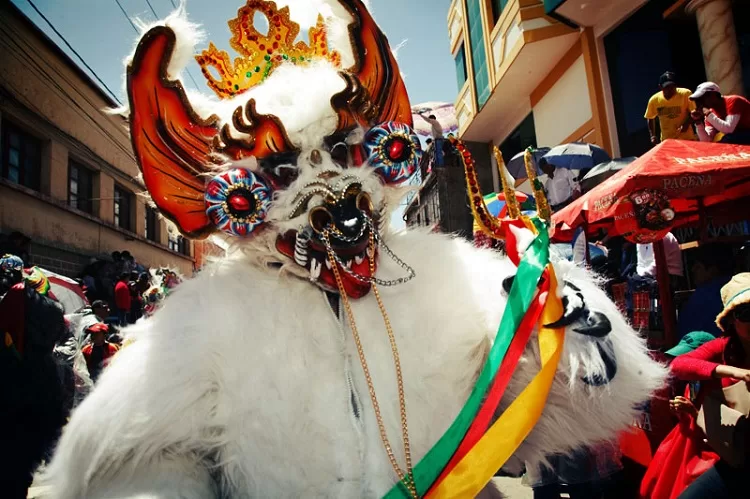
What to Expect at Oruro Carnival
Imagine a vibrant explosion of color, sound, and ancient traditions, where elaborate costumes dance to the rhythm of booming drums and soaring flutes, all under the high-altitude sun of the Bolivian Andes. This isn’t just a party; it’s the Oruro Carnival, one of the most spectacular and culturally significant festivals in South America, and indeed, the world. For travelers seeking an authentic immersion into Andean culture and an unforgettable experience, understanding what to expect Oruro Carnival offers is key to fully appreciating this extraordinary event.
This isn’t your average street parade; it’s a profound expression of faith, heritage, and community that draws hundreds of thousands of spectators and participants each year. From its ancient indigenous roots to its modern-day UNESCO recognition, the Oruro Carnival is a testament to Bolivia’s rich cultural tapestry. Prepare to be swept away by its energy, its history, and its sheer, unadulterated joy.
Overview of Oruro Carnival
The Oruro Carnival is much more than just a pre-Lenten celebration; it’s a living, breathing testament to a complex fusion of indigenous Andean beliefs and Catholic traditions. Recognized by UNESCO as a Masterpiece of the Oral and Intangible Heritage of Humanity, this Bolivia festival is considered one of the most important cultural events in Bolivia, drawing an immense crowd to the city of Oruro, located high in the Bolivian altiplano.
At its heart, the Oruro festival is a massive pilgrimage to the Sanctuary of the Virgen del Socavón (Virgin of the Mineshaft). Over 28,000 dancers and 10,000 musicians, organized into nearly 50 distinct brotherhoods or conjuntos, participate in a continuous, 20-hour procession that winds its way through the city streets. This grand parade, known as the Entrada, culminates at the Virgin’s shrine, where participants offer their devotion. The carnival period officially lasts for about ten days, but the main spectacle, the Entrada, takes place the Saturday before Ash Wednesday. It’s an overwhelming sensory experience, a vibrant display of traditional costumes, intricate masks, and powerful Bolivian music that echoes the rich history and spiritual depth of the region. For anyone planning to travel in Bolivia, especially during the carnival season, this is an unmissable highlight, offering a deep dive into local traditions and festive celebrations.
History of Oruro Carnival
To truly grasp what to expect Oruro Carnival entails, one must journey back into its fascinating history, a narrative interwoven with pre-Columbian beliefs, Spanish colonization, and the enduring spirit of the Andean people. The origins of the Oruro Carnival can be traced back over 2,000 years to the ancient Uru people, who inhabited the region long before the Inca Empire. Their worldview was deeply spiritual, centered on venerating Pachamama (Mother Earth) and various apus (mountain spirits), as well as Supay, the lord of the Uru underworld, often associated with mineral wealth and the mines.
With the arrival of the Spanish conquistadors in the 16th century and the subsequent imposition of Catholicism, these indigenous practices did not disappear but rather merged with the new religion. The Spanish established mining operations in Oruro, exploiting the rich silver deposits. The miners, many of whom were indigenous, continued their traditional rituals to appease Supay and ensure their safety and prosperity in the dangerous mines, often doing so covertly under the guise of Catholic saints’ days.
Over centuries, this syncretism evolved. The figure of Supay, initially an ambivalent deity, began to be demonized by the Catholic Church, eventually morphing into the Devil figure seen in the iconic Diablada dance. Conversely, the veneration of Pachamama found its parallel in the figure of the Virgin Mary, specifically the Virgin of Socavón, who became the patron saint of miners. Legend has it that the Virgin appeared to a thief in a mine shaft in 1789, saving his life and solidifying her place in the local folklore.
The carnival as we know it today began to take shape in the late 18th and early 19th centuries, incorporating elements of Spanish religious plays, medieval pageants, and indigenous rituals. The Diablada, or Dance of the Devils, emerged as the central performance, a dramatic representation of the struggle between good and evil, with the Archangel Michael triumphing over the Seven Deadly Sins, personified by the devils. This evolution transformed local festivities into a grand annual event, solidifying its role as a powerful expression of collective identity and cultural heritage for the people of Oruro and Bolivia. Each year, the Oruro Carnival dates are eagerly anticipated, marking a continuation of this rich historical legacy.
Cultural Significance and Meaning
The Oruro Carnival is far more than a mere spectacle; it is a profound expression of cultural significance and deep-seated religious meaning for the local community. At its core lies a remarkable example of syncretism, where indigenous Andean cosmology seamlessly blends with Catholic dogma. The central figure of devotion is the Virgen del Socavón, the patron saint of miners, whose shrine serves as the ultimate destination for the carnival’s grand procession. Participants, many of whom are miners themselves or come from mining families, embark on a spiritual pilgrimage, dancing for 20 hours as an act of penance and devotion to the Virgin, fulfilling promises made in exchange for blessings, protection, or prosperity.
This fusion is evident in every aspect of the Oruro festival. The iconic Diablada dance, for instance, while outwardly a portrayal of the struggle between good and evil with the Archangel Michael defeating the Devil, also carries echoes of ancient Uru beliefs. The Devil figure, or Supay, represents not just the Christian Lucifer but also the powerful, ambivalent spirit of the underworld, guardian of the mines and their precious minerals. Appeasing Supay was, and in some forms still is, crucial for miners’ safety and success. The llama llama dance, on the other hand, pays homage to the llama, an animal central to Andean life and spirituality, symbolizing fertility and sustenance.
The carnival serves as a vital conduit for preserving and transmitting traditional Bolivian dance, music, and storytelling across generations. It’s a powerful affirmation of identity, particularly for indigenous communities who see their ancestral practices honored and celebrated within a national and international context. The elaborate traditional costumes, each with specific symbolism, tell stories of Andean cosmology, historical events, and local traditions. The sheer scale and communal effort involved in organizing and participating in the Oruro Carnival experience foster a strong sense of collective identity and belonging. It’s a time when social hierarchies blur, and everyone, from the humblest miner to the most respected elder, comes together in a shared act of faith and cultural expression. This deeply rooted cultural heritage is what makes the Oruro Carnival not just a festival, but a living tradition.
Key Events and Activities
Understanding the rhythm of the Oruro Carnival is crucial for anyone planning to attend. While the entire carnival period spans several days, specific Oruro Carnival dates mark the most significant events. The main event, the Entrada, or Grand Procession, takes place on the Saturday before Ash Wednesday, but the festivities begin much earlier and continue into the following days.
The carnival officially kicks off with the Primer Convite, a first rehearsal and solemn promise to the Virgin, held several weeks prior. This is followed by the Segundo Convite, another rehearsal, solidifying the commitment of the dance groups. These pre-carnival events, while smaller, offer a glimpse into the dedication and preparation involved.
The main week of the carnival is a whirlwind of activity. It typically starts with smaller parades and traditional ceremonies. The Friday before the Entrada sees the Viernes de Compadres and Viernes de Comadres celebrations, where men and women exchange gifts and strengthen bonds of friendship, often with lively street parties.
However, the absolute highlight and the reason most people flock to Oruro is the Gran Entrada on Carnival Saturday. This is the main parade, a continuous, 20-hour spectacle of incredible energy and devotion. From early morning until late into the night, tens of thousands of dancers and musicians in their dazzling traditional costumes move along a four-kilometer route, performing their intricate choreographies to the thunderous sound of brass bands. Each conjunto (dance group) performs its specific dance, with the Diablada often leading the procession. The atmosphere is electric, filled with the roar of the crowds, the intense music, and the visual feast of colors. The procession culminates at the Sanctuary of the Virgen del Socavón, where dancers offer their final homage.
On Carnival Sunday, the Entrada de la Aurora (Sunrise Procession) takes place, a more solemn and religious parade, often starting before dawn. This is followed by the Día del Diablo y del Moreno (Day of the Devil and the Moreno), where the Diablada and Morenada groups perform again, sometimes with more relaxed, informal dances.
Monday is often dedicated to the Challa, a traditional Andean ritual where families bless their homes, businesses, and vehicles with offerings to Pachamama, often involving alcohol, confetti, and coca leaves. It’s a more intimate, local tradition, but street parties and informal dancing continue throughout the day.
The week typically concludes with the Domingo de Tentación (Sunday of Temptation), a final day of celebration, often marked by water balloon fights, foam sprays, and general revelry, bringing the intense festive celebrations to a joyful, if chaotic, close. These key events make the Oruro Carnival experience truly unforgettable, showcasing the vibrant Oruro nightlife and daytime energy.
Dances and Costumes
The heart and soul of the Oruro Carnival lie in its mesmerizing traditional Bolivian dance forms and their spectacular traditional costumes. Each conjunto (dance group) represents a specific dance, steeped in history, symbolism, and a unique visual identity. The sheer variety and intricacy are astounding, making the parade a living museum of Andean culture.
The most iconic dance, and arguably the most anticipated, is the Diablada, or Dance of the Devils. This dramatic performance features dancers clad in elaborate, often terrifying, devil masks with bulging eyes, fangs, and horns, adorned with serpents, lizards, and other symbolic creatures. The costumes are incredibly detailed, featuring rich velvets, sequins, and intricate embroidery depicting hellish scenes. Leading the Diablada is the Archangel Michael, dressed in shining armor, symbolizing the triumph of good over evil. Behind him, the devils, often accompanied by China Supay (female devils) and osos (bears), perform energetic leaps and spins, representing the struggle between good and evil, and the battle between the indigenous Supay and Christian beliefs.
Another incredibly popular and visually striking dance is the Morenada. This dance pays homage to the African slaves brought to Bolivia during the colonial era to work in the mines. The dancers wear heavy, ornate costumes, often weighing up to 30 kg, adorned with beads, sequins, and bells. Their masks, often depicting dark-skinned faces with exaggerated features and sometimes a large tongue, are said to represent the suffering and exhaustion of the slaves. The rhythmic, slow, and heavy steps of the Morenada are meant to mimic the arduous walk of the chained slaves. The music is characterized by deep brass sounds and a powerful, melancholic rhythm.
The Caporales is a more modern and energetic dance, originating in the 1960s, but quickly becoming a carnival favorite. It depicts the overseers or caporales of the slaves, often portrayed as powerful and charismatic figures. The male dancers wear high boots, wide-brimmed hats, and jackets adorned with intricate designs, while the female dancers wear short, vibrant skirts and blouses, performing dynamic, often acrobatic, movements. The Caporales is characterized by its fast pace, strong drum beats, and impressive choreography.
Other prominent dances include:
-
The Tobas, an indigenous dance representing Amazonian tribes, characterized by feathered headdresses and energetic leaps.
-
The Kullawada, a graceful dance of the textile weavers, with dancers spinning a rueca (spindle) and wearing elegant, embroidered costumes.
-
The Llamerada, a dance honoring the llama herders, featuring masks that resemble llamas and traditional Andean clothing.
-
The Thinku, a ritualistic combat dance originating from the northern Potosí region, characterized by its fierce energy and colorful attire.
Each dance group, with its specific music, choreography, and traditional costumes, contributes to the rich tapestry of the Oruro Carnival experience. The dedication of the dancers, who practice for months, and the craftsmanship involved in creating these elaborate outfits, underscore the deep cultural significance and artistic expression inherent in this incredible Oruro festival.
UNESCO Recognition
The Oruro Carnival holds a prestigious designation from the United Nations Educational, Scientific and Cultural Organization (UNESCO), having been proclaimed a “Masterpiece of the Oral and Intangible Heritage of Humanity” in 2001. This recognition is not merely an honorary title; it signifies the carnival’s profound importance as a living cultural expression that must be safeguarded for future generations.
The UNESCO designation highlights several key aspects of the Oruro Carnival. Firstly, it acknowledges the carnival’s unique ability to blend indigenous Andean religious traditions with Catholic rituals, creating a vibrant example of cultural syncretism. This fusion is evident in the veneration of the Virgin of Socavón alongside ancient deities like Pachamama and Supay, demonstrating a harmonious coexistence of belief systems.
Secondly, the recognition underscores the carnival’s role as a powerful vehicle for the transmission of oral traditions, music, dance, and craftsmanship. The elaborate traditional Bolivian dance forms – such as the Diablada, Morenada, and Caporales – along with their intricate traditional costumes and masks, are not just performances; they are narratives that convey historical events, myths, and social values. The skills required to create these costumes and play the traditional Bolivian music are passed down through generations, ensuring the continuity of this cultural heritage.
Thirdly, UNESCO’s designation emphasizes the carnival’s community-based nature. It is a collective effort involving thousands of dancers, musicians, artisans, and community members who dedicate themselves to its annual celebration. This shared participation strengthens social cohesion and cultural identity among the people of Oruro and beyond.
For the Oruro Carnival, UNESCO recognition has brought increased international visibility and appreciation, drawing more tourists and researchers interested in its cultural significance. More importantly, it has spurred greater efforts in Bolivia to preserve and protect the carnival’s intangible elements, including promoting research, documentation, and educational programs. It reinforces the idea that this Oruro festival is a global treasure, a vibrant example of human creativity and spiritual devotion, making it an even more compelling destination for those interested in festivals in South America and the preservation of cultural heritage.
Essential Tips for Attendees
Attending the Oruro Carnival is an exhilarating experience, but it requires some preparation to ensure you make the most of it. Here are some essential Oruro Carnival tips to help you navigate this vibrant festival:
1. Book Everything in Advance: This is perhaps the most crucial tip. Oruro is a relatively small city, and during carnival, its population swells dramatically. Accommodation options, especially good ones, sell out months in advance. The same goes for bus tickets from La Paz or Cochabamba to Oruro, and prime viewing spots along the parade route. As soon as you confirm your Oruro Carnival dates, book your flights, buses, and lodging.
2. Secure Your Viewing Spot: To truly appreciate the grand parade, you’ll want a good seat. These are typically rented stands (called graderías) or chairs along the route. Prices vary significantly based on location and comfort. Many tour operators offer packages that include a guaranteed seat. If you plan to go independently, arrive very early on Carnival Saturday (we’re talking 4-5 AM) to stake out a spot or purchase a seat from a vendor. Be prepared to pay a premium.
3. What to Wear to Oruro Carnival:* Layers are key: Oruro is at high altitude (around 3,700 meters / 12,140 feet), so temperatures can fluctuate wildly. Mornings and evenings are cold, while the midday sun can be intense. Pack warm layers, including a hat, gloves, and a scarf, along with lighter clothing for the daytime. * Comfortable shoes: You’ll be doing a lot of walking and standing. * Sun protection: A wide-brimmed hat, sunglasses, and high-SPF sunscreen are non-negotiable. The sun at this altitude is incredibly strong. * Rain gear: Brief afternoon showers are common, so a light rain jacket or poncho is advisable. * Be prepared for water fights: Especially on the last day, Domingo de Tentación, locals and tourists alike engage in playful water balloon and foam spray fights. If you don’t want to get soaked, wear quick-drying clothes or avoid crowded areas on this day. Consider bringing a waterproof bag for your electronics.
4. Acclimatize to the Altitude: Oruro’s elevation can cause altitude sickness. Arrive a day or two early in La Paz or Oruro to allow your body to adjust. Drink plenty of water, avoid excessive alcohol and heavy meals, and take it easy on your first day. Coca tea or chewing coca leaves can also help.
5. Stay Hydrated and Nourished: Drink bottled water constantly. Carry snacks to keep your energy up, as finding food during peak parade times can be challenging.
6. Safety First:* Guard your belongings: Pickpocketing can be an issue in crowded areas. Keep valuables secure and out of sight. Consider a money belt. * Be aware of your surroundings: Especially at night, stick to well-lit, populated areas. * Alcohol consumption: While celebratory, excessive drinking can make you vulnerable. Drink responsibly. * Crowds: The crowds are immense. If you’re traveling with a group, establish a meeting point in case you get separated.
7. Photography: The carnival is incredibly photogenic. Bring extra batteries and memory cards. Be respectful when taking photos of people, especially those in traditional costumes. Ask for permission if possible.
8. Embrace the Chaos: The Oruro Carnival experience is intense, loud, and sometimes a bit disorganized. Go with an open mind, a sense of humor, and be ready to immerse yourself fully in the festive celebrations. It’s a truly unique Oruro travel recommendation.
9. Learn Basic Spanish Phrases: While many people involved in tourism may speak some English, knowing a few basic Spanish phrases will greatly enhance your interaction with locals and help you navigate.
By keeping these Oruro Carnival tips in mind, you’re set for an unforgettable journey into the heart of Bolivian culture and one of the most remarkable festivals in South America.
How to Get to Oruro
Getting to Oruro, especially during the peak carnival season, requires careful planning. Oruro does not have a major international airport, so most visitors will first fly into one of Bolivia’s larger cities.
1. International Flights to Bolivia:* The most common entry points are El Alto International Airport (LPB) in La Paz or Viru Viru International Airport (VVI) in Santa Cruz de la Sierra. Some travelers also fly into Jorge Wilstermann International Airport (CBB) in Cochabamba. * From these cities, you will then need to travel overland to Oruro.
2. From La Paz to Oruro:* Bus: This is by far the most common and convenient way. Buses depart frequently from La Paz’s main bus terminal. The journey takes approximately 3 to 4 hours, depending on traffic and road conditions. During carnival, it’s crucial to book your bus tickets well in advance (weeks, if not months) as they sell out quickly and prices can increase significantly. Buses range from standard (normal) to semi-cama (reclining seats) and cama (fully reclining seats). * Train: While there is a train service, it’s generally less frequent and slower than buses for this route. It’s not typically recommended as the primary mode of transport for carnival attendees unless specifically seeking a train experience. * Private Car/Taxi: You can hire a private taxi or car service, which offers more flexibility but will be significantly more expensive. This might be an option for groups.
3. From Cochabamba to Oruro:* Bus: Similar to La Paz, buses are the primary mode of transport. The journey from Cochabamba to Oruro takes about 4 to 5 hours. Again, book in advance during carnival. * Minivan/Trufi: Shared minivans (often called trufis) also operate this route, offering a slightly faster, albeit less comfortable, option.
4. From Santa Cruz to Oruro:* Bus: This is a much longer journey, typically 12-14 hours, often overnight. If flying into Santa Cruz, consider taking a domestic flight to La Paz or Cochabamba first, and then a bus to Oruro, to save time and reduce travel fatigue. * Domestic Flight + Bus: Fly from Santa Cruz to La Paz or Cochabamba, then take a bus as described above.
Bolivia Travel Tips for Getting to Oruro:
-
Book Early: Emphasizing this again: all transportation to Oruro during carnival sells out. Don’t leave it to the last minute.
-
Be Flexible: Road conditions can sometimes be unpredictable, especially during the rainy season (which coincides with carnival). Allow for buffer time in your travel plans.
-
Arrive Early: If you’re traveling independently on Carnival Saturday, aim to arrive in Oruro at least by Friday afternoon to secure your viewing spot and settle in. Traveling to Oruro on Saturday morning of the Entrada is nearly impossible due to road closures and traffic.
-
Local Transportation in Oruro: Once in Oruro, getting around is mostly by foot, especially in the central areas during the carnival when many streets are closed. Taxis are available but will be in high demand and prices will surge. Agree on a fare before getting in.
Planning your logistics carefully will ensure a smoother journey and allow you to fully enjoy the Oruro Carnival experience without unnecessary stress.
Accommodation Options
Finding suitable accommodation during the Oruro Carnival can be challenging due to the massive influx of visitors. The city’s hotel infrastructure is not as extensive as larger Bolivian cities, so booking well in advance is not just a recommendation, it’s a necessity. Here’s a breakdown of what to expect and some Oruro travel recommendations for lodging:
1. Book Months in Advance: As soon as you have your Oruro Carnival dates set, secure your accommodation. Many hotels and hostels are fully booked by November or December for the February/March carnival. Last-minute bookings are usually only possible for significantly overpriced rooms or very basic options far from the action.
2. Price Hikes: Be prepared for inflated prices. During carnival, room rates can be two to five times higher than their regular prices. This is standard practice for major festivals globally.
3. Types of Accommodation:
Hotels: Oruro has a range of hotels, from basic to mid-range. Don't expect luxury resorts. Mid-range hotels often offer private bathrooms, hot water (though sometimes intermittent), and breakfast. Look for hotels close to the parade route if you want to be within walking distance of the main events, but be aware that street closures will affect accessibility.
Examples: Hotels like Hotel Eden, Hotel Regal, or Hotel Sucre are often popular choices, but availability is extremely limited during carnival.

Hostals/Guesthouses: These are generally more budget-friendly options, offering private rooms or dorm beds. Facilities can vary widely, from clean and comfortable to very basic. They often provide a more communal atmosphere, which can be great for meeting other travelers.

Apartments/Airbnb: A growing number of locals rent out rooms or entire apartments during the carnival. This can be a good option for groups or those seeking more space and a kitchen. Check reviews thoroughly and ensure the host is reputable.

Camping (Not Recommended): While technically possible, camping is not a practical or comfortable option for the Oruro Carnival experience. The city can get very cold at night, and security can be a concern.
4. Location, Location, Location:* The parade route runs through the city center. Staying within a few blocks of the main route (e.g., near Calle La Plata, Calle Bolívar, or Calle Adolfo Mier) will put you in the heart of the action, but also where it’s loudest and most crowded. * Staying slightly further out might offer a bit more peace and quiet, but you’ll need to factor in walking time or taxi fares (which will be high). Keep in mind many streets are closed to traffic during the Entrada.
5. What to Expect in Terms of Amenities:* Hot Water: While most reputable places offer hot water, its availability can sometimes be inconsistent, especially in budget accommodations or during peak demand. * Heating: Oruro gets cold. Not all places have central heating. Ask if your room has a heater or if extra blankets are provided. * Noise: If you’re near the parade route, expect constant noise from music, crowds, and revelry, especially on Carnival Saturday and Sunday. Earplugs might be a good idea.
6. Alternative Accommodation:* Some visitors choose to stay in La Paz and take an early morning bus to Oruro for the Entrada, returning late at night. While feasible, it makes for an incredibly long and exhausting day. If you opt for this, ensure your bus tickets are booked well in advance for both legs of the journey.
By planning ahead and being realistic about the available Oruro travel recommendations for accommodation, you can secure a comfortable base from which to enjoy the incredible Oruro Carnival experience.
Food and Drink to Try
The Oruro Carnival is not just a feast for the eyes and ears; it’s also an opportunity to indulge in the rich and hearty Oruro local cuisine, deeply rooted in traditional Bolivian cuisine. While you’ll find plenty of street food vendors during the festival, seeking out specific local dishes will enhance your cultural immersion.
Must-Try Foods:
-
Salteñas: This is the quintessential Bolivian snack and a perfect on-the-go carnival treat. Salteñas are baked empanadas filled with a savory, slightly sweet, and juicy stew of meat (beef or chicken), potatoes, peas, and sometimes a hard-boiled egg or olive. The trick is to eat them without spilling the delicious broth! They are especially popular for breakfast or a mid-morning snack.
-
Anticuchos: These are skewers of marinated beef heart, grilled over charcoal, and served with a spicy peanut sauce and a small boiled potato. They are incredibly flavorful and a beloved street food, perfect for a quick, satisfying bite amidst the festivities.
-
Api con Buñuelos: This is a traditional Andean breakfast or afternoon snack, particularly comforting in Oruro’s cold climate. Api is a thick, sweet, hot corn drink, typically purple (made from purple corn) or white, flavored with cinnamon and cloves. It’s often served with buñuelos, which are fluffy, fried dough fritters, sometimes filled with cheese or simply dusted with sugar. A warm, sweet, and filling combination.
-
Charquekan: A hearty Oruro specialty. Charquekan consists of dried llama or beef meat (charque), fried and served with mote (hominy corn), potatoes, hard-boiled eggs, and sometimes llajua (a spicy salsa). It’s a robust and flavorful dish that reflects the region’s agricultural heritage.
-
Fricasé: A traditional Bolivian stew, especially popular as a hangover cure after a night of revelry. It’s made with pork, chuño (freeze-dried potatoes), white corn, and a spicy yellow chili broth, often served with a hard-boiled egg. It’s hearty, warming, and packed with flavor.
-
Sopa de Maní: Peanut soup. This creamy, savory soup made from ground peanuts, potatoes, pasta, and sometimes meat, is a beloved comfort food throughout Bolivia and a perfect warm dish for the chilly Oruro evenings.
Traditional Drinks:
-
Chicha: A traditional fermented corn beverage, ranging from mildly alcoholic to quite potent. It’s deeply rooted in Andean culture and often shared communally. Be mindful of its strength!
-
Mocochinchi: A refreshing non-alcoholic drink made from dried peaches, rehydrated and served chilled with cinnamon.
-
Coca Tea (Mate de Coca): While not exclusive to Oruro, this herbal tea is readily available and highly recommended for helping with altitude sickness.
Dining Tips for Carnival:
-
Street Food Safety: While delicious, be cautious with street food. Look for vendors with long lines and good hygiene practices.
-
Restaurants: Oruro has various restaurants offering both local and international cuisine. Expect them to be very busy during carnival, so try to eat at off-peak hours or be prepared to wait.
-
Hydration: Always drink bottled water.
-
Embrace the Flavors: Don’t be afraid to try new things! The local cuisine is an integral part of the Oruro Carnival experience and offers a true taste of Bolivian culture.
Exploring the Oruro local cuisine is an essential part of your journey, offering a delicious insight into the rich traditions and flavors that make this festival truly unique.
Conclusion and Final Thoughts
The Oruro Carnival is an unparalleled spectacle, a vibrant fusion of ancient Andean spirituality and colonial-era Catholicism, culminating in one of the most significant cultural events in Bolivia. It is an experience that transcends mere observation, drawing you into a whirlwind of sound, color, and heartfelt devotion. From the thunderous rhythms of the Diablada to the intricate symbolism of the traditional costumes, every element tells a story of cultural heritage, resilience, and faith.
What to expect Oruro Carnival offers is more than just a party; it’s a living pilgrimage, a powerful affirmation of identity, and a profound connection to local traditions that have been preserved and celebrated for centuries. It’s a journey into the heart of Bolivian music and dance, a chance to witness UNESCO World Heritage in action, and an opportunity to create memories that will last a lifetime.
While the crowds are immense, the planning demanding, and the altitude a challenge, the rewards of experiencing this unique Oruro festival are immeasurable. The sheer energy of the Entrada, the dedication of the dancers, the warmth of the Bolivian people, and the delicious Oruro local cuisine all combine to create an unforgettable adventure. If you’re seeking a deep dive into festivals in South America, a true cultural immersion, and an adventure that will awaken your senses, the Oruro Carnival should undoubtedly be at the top of your list. Prepare to be amazed, to be moved, and to leave with a profound appreciation for Bolivia’s rich and vibrant spirit.
Q8Bet looks interesting. I wonder if there’s any relationship with any Qatari investments in sports! Anyway the site is smooth enough. Will check how’s their sports promotions and compare it with others. Worth a look: q8bet